

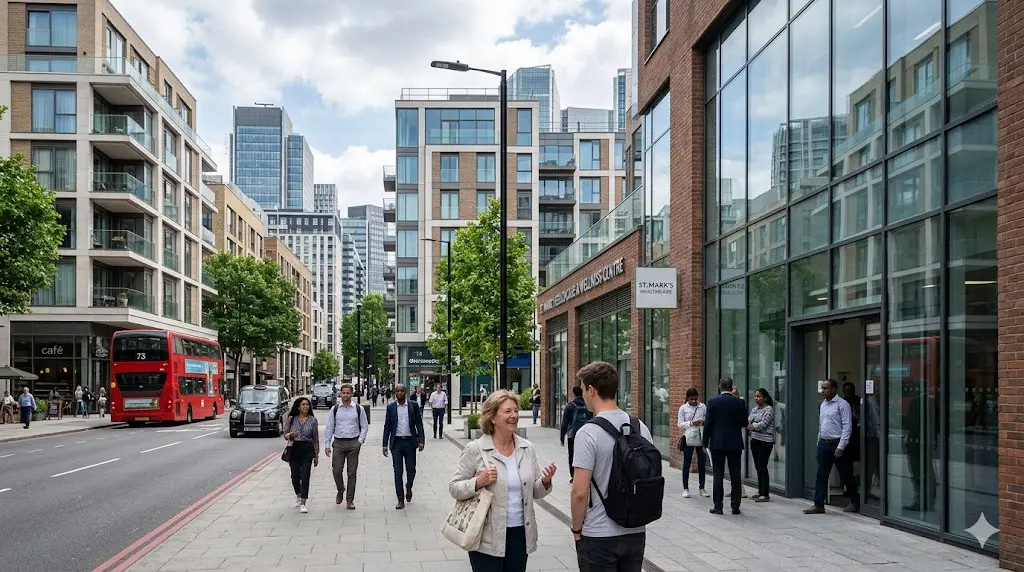
Healthcare access is no longer just a public policy issue. It’s becoming one of the biggest forces influencing where investors put their money, how cities grow, and why certain property markets suddenly outperform others. From medical office buildings to senior housing and mixed-use communities near hospitals, real estate investment patterns are shifting fast.
What most people overlook is that healthcare access affects far more than hospitals. It changes migration trends, rental demand, infrastructure spending, and even long-term property values. Investors who understand this early are probably going to spot opportunities before the broader market catches up.
Healthcare access is reshaping real estate investment worldwide because people increasingly choose locations based on medical quality, aging populations, wellness infrastructure, and healthcare-driven economic growth. Investors are responding by funding medical properties, senior housing, wellness communities, and residential developments near healthcare hubs.
What Is Healthcare Access and Why Does It Matter?
Healthcare access: the ability for people to obtain timely, affordable, and quality medical services within a reasonable distance.
That sounds simple enough, but the ripple effect is huge.
When a region improves healthcare access, people often feel safer moving there, retiring there, or starting businesses there. Better healthcare also tends to attract skilled workers, boost local employment, and increase infrastructure spending. Real estate investors pay attention to all of this because population stability usually drives long-term property demand.
I’ve seen investors focus only on tourism numbers or office growth while ignoring healthcare infrastructure completely. In many cases, that’s a mistake. A city with expanding healthcare systems often creates more sustainable demand than a city driven purely by short-term economic hype.
Healthcare real estate trends are especially visible in countries with aging populations. Demand for assisted living, rehabilitation centers, outpatient facilities, and medical retail spaces has climbed steadily over the past few years.
There’s another angle too. Remote work changed how people choose where to live. Many families now prioritize healthcare quality over proximity to downtown offices. That shift alone is changing residential property demand in surprising ways.
Why Healthcare Access Matters in 2026
The year 2026 feels different because healthcare and real estate are no longer operating in separate lanes.
Governments, institutional investors, and developers are increasingly treating healthcare infrastructure as a long-term economic asset. Rising life expectancy, chronic disease management, telemedicine expansion, and medical tourism are all accelerating this trend.
Here’s the thing: healthcare isn’t recession-proof in every sense, but demand for healthcare-related properties tends to remain more stable than many traditional real estate sectors.
Several global trends are pushing this transformation.
Aging populations are changing investment priorities
Countries across Europe, Asia, and North America are seeing older populations grow rapidly. That means stronger demand for:
Senior living communities
Assisted care facilities
Rehabilitation housing
Medical office spaces
Wellness-focused residential projects
Developers who once focused entirely on luxury condos are now integrating healthcare services directly into residential communities.
Medical tourism is influencing global property markets
Places known for affordable or advanced medical treatment are attracting international buyers and investors. Areas near major hospitals often experience rising hotel demand, short-term rentals, and commercial development.
A realistic example would be a private investor purchasing apartments near a growing medical district because visiting families and traveling patients need temporary housing year-round. That demand can stay surprisingly consistent.
Healthcare workers are driving local housing demand
Doctors, nurses, technicians, and healthcare support staff create stable employment ecosystems. When large hospitals expand, nearby housing markets often strengthen as well.
This isn’t always flashy growth. Sometimes it’s steady and boring.
Honestly, boring can be very profitable in real estate.
Wellness-focused communities are becoming mainstream
People increasingly want walkable neighborhoods, fitness access, preventive care clinics, green spaces, and wellness amenities close to home. Investors are noticing.
What used to sound like a niche lifestyle concept is becoming standard buyer expectation.
Expert Tip
Investors often chase cities with the loudest headlines, but healthcare expansion projects usually create quieter and more durable property demand. Watch where hospital networks are investing long term. That’s often where residential growth follows.
How Healthcare Access Is Reshaping Real Estate Investment Worldwide Step by Step
Healthcare-driven property investment isn’t happening randomly. There’s a fairly clear process behind it.
1. Healthcare infrastructure expands first
Governments or private groups invest in hospitals, clinics, and healthcare technology.
This creates jobs immediately.
Construction workers arrive first. Then medical staff. Then supporting businesses open nearby.
2. Population movement begins
People tend to relocate toward areas with better healthcare systems, especially retirees and families with young children.
Once migration increases, housing demand follows.
Rental occupancy rates often improve before property prices rise significantly.
3. Commercial development accelerates
Retail centers, pharmacies, restaurants, coworking spaces, and hotels begin appearing around healthcare hubs.
That commercial activity strengthens local economies and attracts additional investors.
4. Residential values start climbing
Neighborhoods near quality healthcare facilities often become more desirable over time.
This can affect:
Apartment pricing
Land value
Rental yields
Mixed-use developments
Long-term appreciation
Not every market reacts instantly, though. Some areas take years before investors notice the pattern.
5. Specialized healthcare real estate emerges
Eventually, developers build projects specifically tied to healthcare demand.
These might include:
Medical office buildings
Recovery housing
Senior communities
Wellness resorts
Rehabilitation centers
Healthcare real estate trends are now influencing investment strategies worldwide because these properties often provide relatively stable occupancy.
6. Institutional investors move in
Once a healthcare district proves profitable, larger investment firms usually follow.
At that point, property prices often rise faster.
Smaller investors who entered earlier generally benefit the most.
The Counterintuitive Shift Most Investors Miss
A lot of people assume luxury districts automatically outperform healthcare-centered locations.
That’s not always true anymore.
Some high-end urban areas are actually seeing slower residential growth because residents now prioritize convenience, healthcare quality, and lifestyle balance over prestige addresses.
Let me be direct. A mid-sized city with excellent healthcare infrastructure might outperform a globally famous financial district over the next decade in certain real estate categories.
That surprises people.
I remember speaking with a property consultant who said many retirees were bypassing glamorous destinations entirely because hospital access mattered more than ocean views. Ten years ago, that would’ve sounded strange. Now it’s becoming common.
What Types of Properties Benefit Most From Healthcare Access?
Different sectors respond differently to healthcare expansion.
Medical office buildings
These properties remain in strong demand because outpatient services continue growing. Many treatments no longer require large hospital stays.
Senior housing
This sector is expanding rapidly in countries with aging populations. Demand is especially strong in areas combining healthcare access with lifestyle amenities.
Residential rentals near hospitals
Travel nurses, medical staff, students, and patients’ families create reliable rental demand in many healthcare districts.
Mixed-use developments
Developers increasingly combine residential units, retail spaces, wellness services, and healthcare facilities into integrated communities.
Hospitality properties
Hotels and serviced apartments near medical centers benefit from medical tourism and visiting family members.
Expert Tip
Don’t evaluate healthcare-related real estate solely by current population size. Future healthcare investment plans often matter more than existing density. A smaller city with aggressive healthcare expansion can sometimes outperform larger markets.
Real-World Example of Healthcare Driving Property Demand
A realistic example can be seen in regions investing heavily in specialized medical centers.
Imagine a city building a large cancer treatment institute with international partnerships. Within a few years, several things happen:
Rental demand increases
Nearby retail businesses expand
Hotels see higher occupancy
Investors purchase land around transit routes
Residential projects target healthcare workers
Property prices might not explode overnight, but gradual appreciation becomes very likely.
That’s the kind of long-term pattern many institutional investors look for.
Why Global Investors Are Paying Attention
Healthcare-related properties offer something many investors want right now: relative stability.
Office markets remain uncertain in some countries due to hybrid work trends. Retail continues evolving because of online shopping. Healthcare demand, meanwhile, tends to remain consistent regardless of economic cycles.
That doesn’t mean every healthcare property is automatically profitable. Poorly located projects still fail.
But from what I’ve seen, investors increasingly value predictable demand over speculative hype.
Cross-border investors are also targeting countries with:
Expanding healthcare systems
Aging demographics
Growing middle classes
Medical tourism growth
Government-backed infrastructure plans
Those factors create strong foundations for long-term real estate investment worldwide.
How Technology Is Changing Healthcare Real Estate
Technology is reshaping this sector in ways many people don’t expect.
Telemedicine reduces the need for some traditional hospital spaces while increasing demand for smaller outpatient clinics and flexible medical offices.
Smart healthcare buildings are also becoming more common. Developers now integrate:
Remote patient monitoring
Digital wellness systems
Air quality technology
Touchless infrastructure
Health-focused building design
Oddly enough, healthier buildings themselves are becoming investment selling points.
A few years ago, most buyers barely asked about ventilation systems. After global health concerns increased, people started caring a lot more.
Expert Tips and What Actually Works
Here’s my hot take: many investors still underestimate healthcare’s emotional impact on buying decisions.
People might tolerate long commutes or smaller apartments, but poor healthcare access creates anxiety very quickly. That emotional factor influences housing demand more than spreadsheets sometimes capture.
What actually works for investors?
Focus on long-term demographic trends instead of short-term property hype.
Pay attention to:
New hospital projects
Government healthcare spending
Aging population data
Medical university expansion
Transit links to healthcare zones
Also, avoid assuming luxury equals resilience. Some moderately priced healthcare-driven communities may deliver stronger occupancy and steadier returns over time.
Expert Tip
Watch secondary cities carefully. Large global capitals often receive most of the media attention, but healthcare infrastructure growth in smaller urban centers can create earlier-stage investment opportunities with lower entry costs.
People Most Asked About Why Healthcare Access Is Reshaping Real Estate Investment Worldwide
Why does healthcare access affect property values?
Healthcare access improves quality of life and attracts long-term residents. Areas with strong medical infrastructure often experience higher housing demand, which can gradually increase property values and rental activity.
Is healthcare real estate a safe investment?
No investment is completely safe, but healthcare-related real estate tends to show relatively stable demand because medical services remain necessary in most economic conditions. Stability depends heavily on location and market conditions.
Which countries are seeing the biggest healthcare real estate growth?
Many regions across Asia, Europe, and North America are seeing strong growth due to aging populations, medical tourism, and healthcare infrastructure expansion. Emerging markets investing heavily in healthcare systems are also attracting attention.
How does medical tourism impact real estate?
Medical tourism increases demand for hotels, short-term rentals, retail space, and residential developments near healthcare districts. Investors often target these areas because patient traffic creates year-round economic activity.
Are residential properties near hospitals good investments?
They can be, especially in cities with expanding healthcare employment. Medical staff, students, and visiting families often create consistent rental demand near hospitals and treatment centers.
What role does wellness play in real estate investment?
Wellness-focused living is becoming more important to buyers and renters. Properties offering healthcare access, fitness facilities, green spaces, and wellness amenities often attract stronger long-term interest.
Will healthcare continue influencing real estate after 2026?
Probably yes. Aging populations, healthcare technology growth, and rising health awareness suggest healthcare will remain a major influence on global real estate investment for many years.
Final Thoughts
Why healthcare access is reshaping real estate investment worldwide comes down to one simple reality: people increasingly choose where to live based on health security, quality care, and long-term well-being. Investors are following that behavior.
Markets connected to strong healthcare systems are attracting attention because they combine economic stability with demographic demand. That combination matters more than ever in 2026.
The investors who adapt early will probably have a major advantage. Healthcare isn’t just influencing real estate anymore. In many regions, it’s quietly redefining it.
Our network platforms help businesses, agencies, and startups gain stronger brand visibility through premium guest posting, high authority backlinks, and instant publishing opportunities. Platforms like PR Wires and Web InfoMatrix support businesses looking to improve SEO ranking, media coverage, and organic traffic with professional press release distribution services and digital marketing services tailored for long-term online growth.