

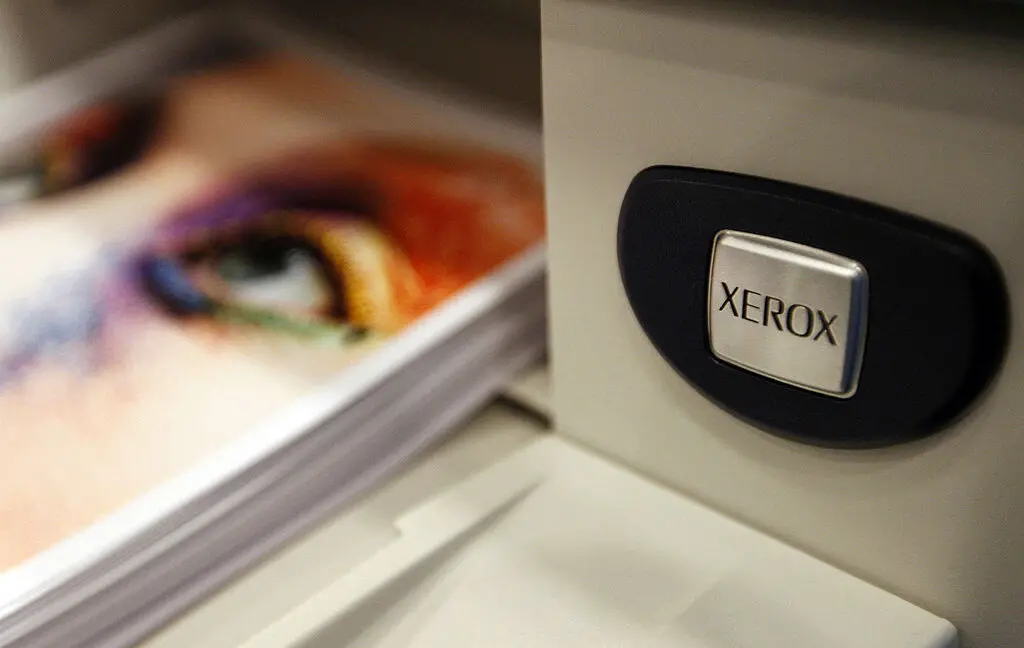
In a remarkable case of creative smuggling, four Australian men attempted to use five Xerox printers to bring 22.4 kilograms (49.4 pounds) of cocaine into the country. The plot, which was intercepted by the Australian Border Force (ABF) and the Australian Federal Police (AFP), resulted in prison sentences for three of the men, while a fourth was acquitted. The incident underscores the lengths to which organized crime groups go to evade detection and the sophisticated methods employed by law enforcement to counter them.
The Smuggling Attempt
On April 30, 2017, ABF officers in Melbourne inspected a package containing five industrial-sized Xerox printers. Upon examination, they discovered 10 packages of compressed white powder concealed within the paper trays of the printers. Presumptive testing confirmed the substance was cocaine. The estimated street value of the drugs was between 9.3 million and 12.4 million Australian dollars (approximately $6.7 million to $9 million USD at the time).
Rather than simply seizing the contraband, authorities decided to employ a classic sting operation. They removed the cocaine and replaced it with an inert alternative material, then fitted the printers with tracking devices. The package was allowed to continue its journey to its intended destination—a factory in Airport West, a suburb of Melbourne.
In May 2017, as four men attempted to retrieve the printers, they were arrested and charged with attempting to possess a commercial quantity of a border-controlled drug. The AFP and ABF detailed the arrests in a press release that highlighted the coordinated efforts of multiple agencies.
Sentencing and Legal Outcomes
The legal proceedings spanned several years, with sentences handed down at different times. One man was sentenced in 2022 to 10 years in prison with a non-parole period of six and a half years. Another received a 10-year sentence in 2025 with a five-and-a-half-year non-parole period. The third man was sentenced in the same 2025 timeframe to nine years with a non-parole period of four and a half years. The fourth defendant was found not guilty and released.
AFP acting commander Simone Butcher emphasized the significance of the case, stating, "The AFP, as well as our domestic and international partners, are steadfast in our mission to protect the community by disrupting and dismantling organized crime groups and their efforts to profit off the misery caused in our community." The sentences send a clear message that drug smuggling will be met with severe consequences.
Printers as Drug Mules: A Recurring Trend
Interestingly, this is not the first time printers have been used as a means of drug smuggling. The practice appears to be a recurring theme in international drug trafficking. In 2019, the Indian Narcotics Control Bureau intercepted a package containing about 422 grams (0.9 pounds) of cocaine hidden in the secret chambers of printers. Two men were arrested after a decoy package was delivered to the intended recipient. One of the suspects admitted that the printers were part of a ring smuggling cocaine from Canada to India.
In the United Kingdom, a 2024 case involved a man sentenced to 31 years for using printer toner cartridges to smuggle drugs for multiple organized crime groups. According to the Crown Prosecution Service, cocaine was brought to a location in the Netherlands, concealed within printer toner cartridge pallets, and then transported to the UK via courier. Over three weeks in 2020, the group imported cocaine with a street value of up to £132 million ($178.5 million).
Australia itself has a history of printer-related drug smuggling. In 2014, authorities charged a woman for allegedly using laser printer cartridges to smuggle methamphetamine. The cartridges raised suspicion because they were covered in white powder, whereas toner cartridges are typically black. In 2022, two men were arrested for using 3D printers to smuggle 30 kilograms (66.1 pounds) of methamphetamine into Australia. AFP Assistant Commissioner Pryce Scanlan noted at the time that intelligence suggested the syndicate was attempting to import up to 100 kilograms at a time, indicating a sophisticated and ongoing operation.
Law Enforcement Tactics and Challenges
These cases demonstrate the evolving tactics of law enforcement agencies worldwide. By replacing drugs with inert substances and deploying tracking devices, authorities can gather intelligence on smuggling networks and make arrests that would otherwise be impossible. The use of "controlled deliveries" is a common practice in many countries, allowing police to identify not just the couriers but also the recipients and organizers.
However, drug traffickers are constantly adapting. The concealment of narcotics in everyday items like printers, toner cartridges, and even 3D printers shows a high level of sophistication. Smugglers often exploit international shipping channels, where large volumes of goods move daily, making thorough inspection impractical. Agencies like the ABF rely on risk profiling, intelligence sharing, and advanced scanning technologies to detect anomalies.
The AFP's acting commander emphasized that the fight against drug smuggling is a collaborative effort involving domestic and international partners. The dismantling of these networks requires persistent monitoring and cooperation across borders.
Impact on Australian Society
Drug smuggling has severe consequences for Australian communities. The influx of illicit drugs like cocaine and methamphetamine fuels addiction, violent crime, and economic costs related to healthcare and law enforcement. The AFP and ABF have made it a priority to intercept such shipments, but the sheer volume of global trade makes it a daunting task. In 2022 alone, Australian authorities seized more than 40 metric tons of illicit drugs, according to the Australian Criminal Intelligence Commission.
The case of the Xerox printers is a reminder that drug trafficking is a global enterprise. The cocaine smuggled via printers originated from overseas, likely sourced from South American cartels. The involvement of multiple individuals and the use of a seemingly innocent industrial item indicate a well-organized effort. The successful interception and subsequent sentences are a victory for law enforcement, but they also highlight the ongoing need for vigilance.
Lessons for the Future
As technology advances, so do the methods of concealment. Printers, with their internal cavities and paper trays, provide a natural hiding space. Similarly, 3D printers can be modified to contain hidden compartments. Law enforcement agencies must stay ahead of these trends by investing in training, technology, and international partnerships. The AFP's ability to replace the cocaine without arousing suspicion and track the package to its destination demonstrates the effectiveness of such approaches.
The sentences handed down in this case reflect the seriousness of the crimes. Non-parole periods of four and a half to six and a half years ensure that the offenders will serve significant time in prison. The disparity in sentences may be due to differences in roles, prior criminal history, or cooperation with authorities. The acquittal of the fourth man suggests that the prosecution could not prove his involvement beyond a reasonable doubt.
In conclusion, the Xerox printer case serves as a compelling example of contemporary drug smuggling and the response of law enforcement. The creativity of criminals is matched only by the determination of authorities to protect the public. As one AFP official noted, organized crime groups seek to profit from misery, but the combined efforts of agencies worldwide continue to disrupt these dangerous enterprises.
Source: Ars Technica News