

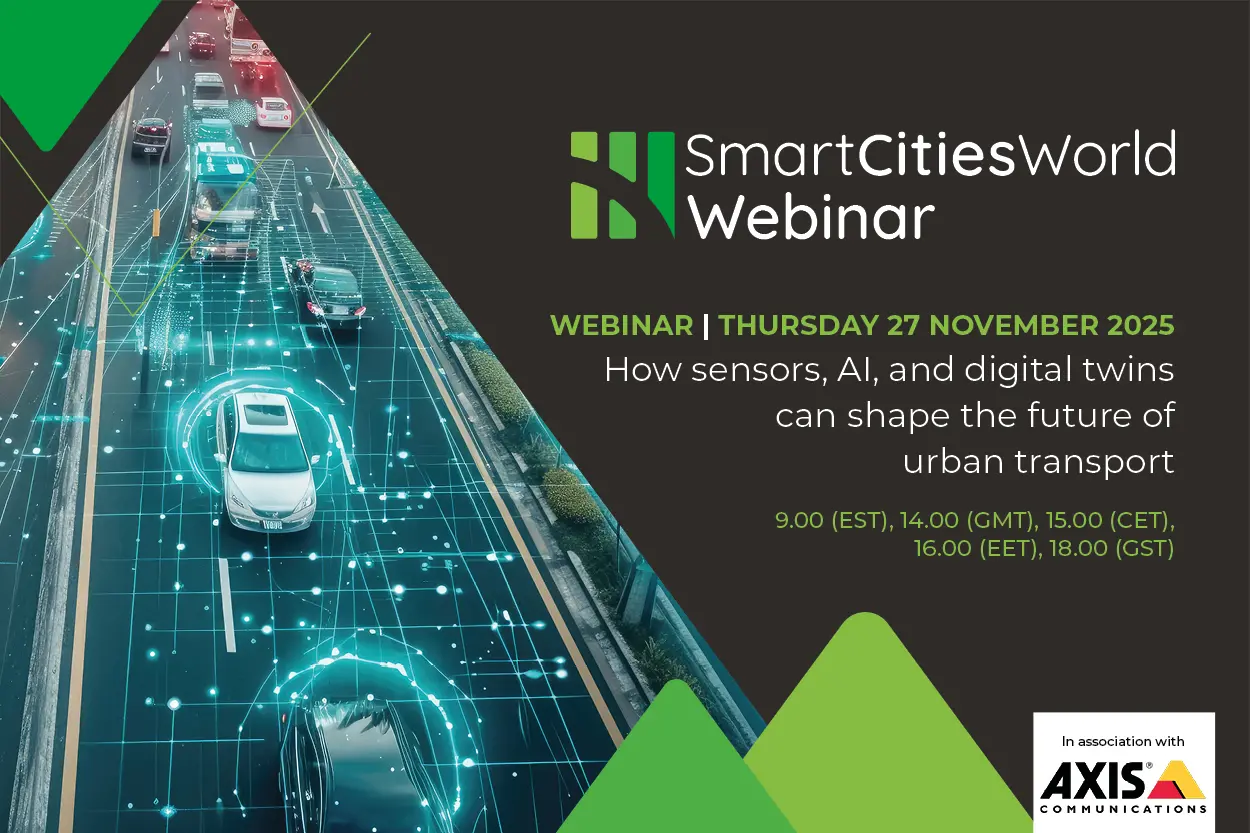
The Convergence of Sensors, AI, and Digital Twins in Urban Mobility
Urban transport is undergoing a profound transformation, driven by the integration of sensors, artificial intelligence (AI), and digital twin technology. These innovations are not merely incremental improvements but represent a paradigm shift in how cities plan, operate, and optimize their mobility networks. As urban populations surge and climate challenges intensify, the need for smarter, more resilient infrastructure has never been more critical. This article delves into the core technologies reshaping urban transport, examining real-world applications and the broader implications for sustainability and efficiency.
Understanding Digital Twins and AI in Urban Contexts
A digital twin is a virtual replica of a physical system—be it a road network, traffic light system, or entire city district—that uses real-time data to simulate behavior and predict outcomes. When combined with AI, these twins can learn from historical patterns, identify anomalies, and recommend optimal actions. For urban transport, this means dynamic traffic management, predictive maintenance of infrastructure, and enhanced passenger experiences. Sensors embedded in roads, vehicles, and public transit systems feed continuous data streams into the digital twin, allowing it to reflect current conditions and test scenarios without disrupting real-world operations.
Artificial intelligence supercharges these capabilities by enabling pattern recognition at scale. Machine learning algorithms can analyze traffic flow data, weather inputs, and event schedules to adjust signal timings in real time, reducing congestion. AI also powers predictive analytics for public transit, forecasting demand to adjust scheduling and capacity. This synergy between sensors, AI, and digital twins is not theoretical; numerous cities are already deploying such systems with measurable results.
Case Studies: Leading Cities Implementing Smart Transport
Malaysia’s AI-Powered Urban Innovation
Malaysia has emerged as a leader in AI-driven urban innovation, particularly through its initiatives in smart city development. The country’s first Southeast Asian Smart City Expo, held in Kuala Lumpur, showcased how AI and digital twins are being integrated into transport planning. For example, the Kuala Lumpur Intelligent Transport System uses real-time data from thousands of sensors to manage traffic flow across the metropolitan area. The system can predict congestion patterns up to 30 minutes in advance, allowing authorities to reroute traffic or adjust public transit frequencies. This proactive approach has reduced average travel times by 15% and lowered vehicle emissions significantly. Malaysia’s commitment extends beyond transport; digital twins of entire districts help planners test urban development scenarios, aligning with sustainability goals.
Sunderland’s Digital Infrastructure Transformation
In the United Kingdom, Sunderland is repositioning itself as a leading smart city by leveraging digital infrastructure and low-carbon innovation. The city’s “Smart Sunderland” program includes a digital twin of the central transport hub, which monitors pedestrian flows, vehicle movements, and air quality. AI algorithms analyze this data to optimize bus schedules and reduce wait times. Additionally, Sunderland has deployed smart parking sensors that guide drivers to available spaces, cutting down on circling traffic—a major source of urban congestion. The program has also attracted businesses focused on green technology, helping build a resilient, future-focused economy. By integrating transport with broader city systems, Sunderland demonstrates how digital twins can serve as a platform for holistic urban management.
Dublin’s Innovations in Traffic Reduction and Digital Twins
Dublin, Ireland, has pioneered several digital twin projects aimed at improving urban experiences. The Dublin City Digital Twin initiative creates a virtual model of the entire city, updated in real time with data from traffic cameras, sensors, and public transport systems. One notable application is traffic reduction: the system simulates the impact of road closures, new cycling lanes, or pedestrian zones before implementation, minimizing disruption. Dublin has also used digital twins to optimize the timing of traffic lights along major corridors, reducing congestion during peak hours by up to 20%. The city’s focus on economic growth is supported by these technologies; improved transport efficiency has been linked to higher retail footfall and reduced logistics costs for businesses. Dublin’s efforts illustrate how data-driven decision-making can enhance both quality of life and economic vitality.
Quezon City’s Resilience Measures After Extreme Rainfall
Quezon City in the Philippines provides a powerful example of how sensor networks and AI can bolster urban resilience. After experiencing unexpected extreme rainfall that caused widespread flooding and transport disruptions, the city implemented a smart flood monitoring system. Sensors along major roads and drainage systems measure water levels in real time, feeding data into a digital twin that predicts flood-prone zones. AI models now issue early warnings to commuters, suggesting alternative routes and adjusting traffic signals to divert vehicles away from flooded areas. This system has reduced flood-related traffic delays by 40% and helped emergency services respond more effectively. Quezon City’s approach highlights the role of smart transport infrastructure in adapting to climate change—a pressing concern for many urban areas.
The Role of Smart Sensor Networks in Transport Safety
Beyond traffic management, smart sensor networks are improving safety within transport infrastructure. For example, sensors in tunnels and underground stations detect smoke, gas leaks, or structural vibrations before they become critical. AI algorithms analyze these readings to distinguish between false alarms and genuine threats, enabling rapid, targeted responses. In buildings adjacent to transport hubs, similar sensors enhance indoor safety by detecting risks early, improving situational awareness, and supporting healthier environments. These systems are increasingly integrated with citywide digital twins, creating a unified view of urban safety. As transport networks become more interconnected, the ability to anticipate and mitigate hazards becomes essential for both passenger well-being and operational continuity.
AI Applications Evolving in Urban Transport
Gareth Tang, President of Urban Solutions at ST Engineering, has noted that urban AI applications are evolving rapidly. Projects already making significant impact include AI-powered predictive maintenance for rail systems, where sensors on tracks and trains analyze wear patterns to schedule repairs before failures occur. Another application is AI-driven demand-responsive transport: minibuses and ride-sharing services use machine learning to optimize routes based on real-time passenger requests, reducing empty miles and emissions. In Singapore, for instance, AI digital twins of bus networks allow operators to test new routes and schedules virtually, cutting costs and improving service reliability. These innovations are not standalone; they are part of a broader trend toward autonomous, data-driven urban mobility.
Integration with Climate Resilience and Sustainability
The intersection of transport digital twins and climate action is a key theme for upcoming events like the SmartCitiesWorld Summit 2026, held during London Climate Action Week. Urban leaders are increasingly recognizing that smart transport systems can contribute to net-zero goals by optimizing energy use, reducing congestion, and supporting electric vehicle (EV) integration. Digital twins can model the impact of EV charging stations on grid demand or simulate the effects of green roofs on microclimates around transport corridors. Similarly, AI can help cities plan for extreme weather events by running “what-if” scenarios on transport resilience—a critical capability as climate change intensifies. The challenge is translating these technological capabilities into practical policies and investments that scale across diverse urban contexts.
Technologies Enabling the Future of Urban Transport
Several specific technologies underpin the progress described. Edge computing allows sensor data to be processed locally, reducing latency for real-time traffic control. 5G networks provide the bandwidth and low latency needed for massive IoT deployments. Blockchain is being explored for secure data sharing between transport operators and city authorities. Meanwhile, computer vision enables cameras to automatically count pedestrians and cyclists, informing infrastructure design. These technologies are converging to create a seamless digital layer over physical infrastructure, enabling unprecedented levels of optimization. It is not just about efficiency; it is about creating transport systems that are equitable, accessible, and responsive to community needs.
For example, in many cities, digital twins are used to simulate the impact of new transit lines on low-income neighborhoods, ensuring that investment benefits all residents. AI models can analyze data from mobile phones and transit taps to understand mobility patterns of vulnerable populations, informing service improvements. This human-centered approach is gaining traction as cities move beyond technology-driven hype to focus on outcomes.
Data as the Lifeblood of Smart Urban Transport
Data is the foundation upon which all these innovations rest. Urban transport networks generate vast amounts of information—from GPS traces of vehicles to ticket validations on buses—but the challenge lies in turning this data into actionable insights. Digital twins provide the framework to visualize and analyze this data in a spatial-temporal context. AI tools then extract patterns and predict future states. However, data quality, interoperability, and privacy remain significant hurdles. Cities are developing data governance frameworks that protect citizen privacy while enabling innovation. Open data initiatives, where transport data is made publicly available (anonymized), have spurred many third-party applications, from real-time arrival apps to crowd-sourced mapping of accessibility features. The future of urban transport will be defined by how well cities manage this data ecosystem, balancing openness with security.
As the field matures, collaboration between public agencies, technology providers, and research institutions becomes essential. Initiatives like the SmartCitiesWorld City Profile for Sunderland and Dublin provide blueprints for others to follow. The trend reports and panel discussions—such as those on AI for resilient infrastructure and on climate finance—offer insights into scaling these projects. But ultimately, the success of smart transport systems depends on their ability to deliver tangible benefits every day: shorter commutes, safer streets, cleaner air, and more inclusive access. Sensors, AI, and digital twins are powerful tools, but they are only as effective as the governance and vision that guide their deployment.
Urban transport is at an inflection point. The convergence of these technologies promises to reshape not just how people move, but how cities function as living systems. By learning from the successes of Malaysia, Sunderland, Dublin, and others, urban leaders can chart a course toward more efficient, resilient, and sustainable mobility. The journey is complex, but the destination—a city where transport adapts to human needs in real time—is within reach.
Source: Smart Cities World News