















What to Expect When Your Pet Needs a Veterinary MRI

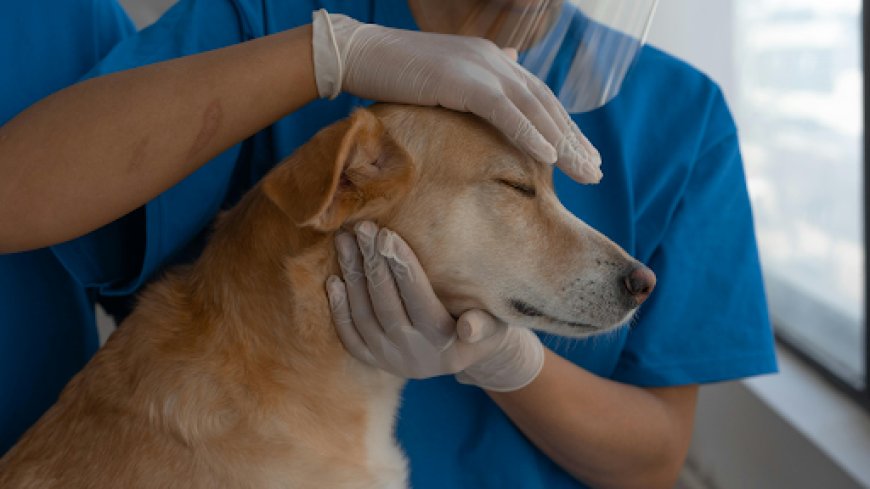
When your pet faces health issues, it can be stressful for both you and your furry friend.
If your veterinarian recommends a veterinary MRI, it can feel overwhelming, especially if youve never had one done for your pet before.
Understanding the process can help ease your concerns and ensure your pet gets the best care. Heres a guide on what to expect when your pet needs a veterinary MRI, from the initial consultation to post-scan care.
Why Might Your Pet Need an MRI?
A veterinary MRI (Magnetic Resonance Imaging) is a valuable diagnostic tool that provides detailed images of your pet's internal structures, especially soft tissues. MRI is often recommended for pets with neurological conditions, joint or muscle injuries, unexplained pain, or tumors. Unlike X-rays, MRI provides high-resolution images and is particularly useful for diagnosing issues with muscles, nerves, or soft tissues.
Your veterinarian may recommend an MRI if your pet shows symptoms such as:
-
Seizures or unexplained neurological issues
-
Persistent lameness or joint pain
-
Chronic back or neck pain
-
Abnormal growths or tumors
-
Difficulty walking or weakness in the limbs
-
Head tilt or unusual behavior
The First Step: Consultation with Your Veterinarian
Before scheduling an MRI, your veterinarian will conduct a thorough examination of your pet and discuss observed symptoms. Based on this evaluation, they will determine if an MRI is the best diagnostic tool. If so, your vet will refer you to a veterinary imaging center or hospital equipped with MRI capabilities.
Preparing for the MRI
Once the MRI is scheduled, proper preparation is essential. Typically, your pet will need to fast for at least 12 hours before the procedure, especially if anesthesia is required. This ensures there are no complications during the MRI.
If your pet is anxious, your veterinarian may give them a mild sedative before the procedure. This helps reduce stress and makes the experience smoother for both your pet and the veterinary team.
The MRI Procedure: What Happens During the Scan?
The MRI is a non-invasive, painless procedure, but it requires your pet to remain still for clear images. To ensure this, most pets need general anesthesia, which keeps them calm and motionless during the scan.
The MRI process typically takes 30 minutes to an hour, depending on the complexity of the images.
Once anesthetized, your pet will be placed on a padded table that moves into the MRI machine. The machine uses strong magnetic fields to create images. The MRI machine makes a loud noise, but your pet will be asleep and unaware of it.
You wont be allowed in the room during the MRI, as the procedure requires a quiet environment, but the veterinary team will monitor your pet closely.
After the MRI: Recovery and Results
Once the MRI is complete, your pet will be monitored as they wake up from anesthesia. Most pets recover quickly, but they may feel groggy or disoriented for a few hours. The veterinarian will review the MRI results and discuss the findings with you. Depending on what the MRI reveals, your vet may recommend further treatment, surgery, or medications.
Is MRI Safe for Pets?
MRI is a very safe procedure for pets. While anesthesia carries some risk, the chances of complications are minimal, particularly for healthy pets. If your pet has pre-existing conditions or is older, the veterinarian may run additional tests, like blood work, to ensure they are fit for anesthesia.
Conclusion
While the idea of an MRI for your pet can be daunting, it is a crucial diagnostic tool that can provide a clearer picture of their condition. The procedure itself is safe and non-invasive, and your pet will be closely monitored throughout. By following your veterinarians instructions for preparation and aftercare, you can ensure a smooth experience.
If your veterinarian recommends an MRI, it's to ensure that your pet receives the best treatment possible. This diagnostic step will allow your vet to develop a more effective treatment plan, helping your pet recover and lead a healthier life.
For more information visit : bipcolumbus.com