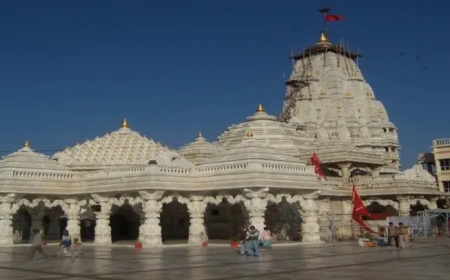

















Discover the Spiritual Charm of Mount Abu Ambaji Journey
Explore the serene beauty and divine energy of Mount Abu Ambaji with this complete travel guide covering temples, scenic views, and cultural highlights of this spiritual and hill retreat.


Tucked away in the western hills of India lies a soulful journey that blends scenic beauty with spiritual grace the trail from Mount Abu to Ambaji. Mount Abu, Rajasthans only hill station, offers a cool escape with forested landscapes, ancient Jain temples, and colonial-era charm. Just a short distance away, Ambaji, nestled in Gujarat, stands as one of the most important pilgrimage centers dedicated to Goddess Amba. Together, Mount Abu Ambaji represents a rare combination of nature, culture, and devotion, making it an unforgettable experience for all kinds of travelers.
Mount Abu A Tranquil Hill Retreat in the Aravallis
Mount Abu is a peaceful highland retreat located at the border of Rajasthan and Gujarat. Situated at an altitude of about 1,220 meters above sea level, this hill station offers a much-needed break from the arid climate of the surrounding desert region. With lush greenery, waterfalls, and scenic viewpoints, Mount Abu feels like a refreshing oasis.
One of the main attractions here is Nakki Lake, a picturesque water body surrounded by rocky hills and lively markets. Boating on the lake while the sun sets behind the mountains is a relaxing experience that draws both tourists and honeymooners alike. The serenity of Mount Abu is best enjoyed with a slow walk through its well-maintained gardens or from the elevated viewpoints like Sunset Point and Honeymoon Point, which offer breathtaking views of the Aravalli range.
The Spiritual Significance of Dilwara Temples
No visit to Mount Abu is complete without witnessing the majestic Dilwara Jain Temples. These temples are an architectural masterpiece, famous for their exquisite marble carvings. Built between the 11th and 13th centuries, these temples are dedicated to various Jain Tirthankaras and reflect the height of craftsmanship during that era.
Visitors often find peace and inspiration here, not just from the spiritual atmosphere but also from the intricately detailed pillars, ceilings, and domes. These temples attract pilgrims, history lovers, and architecture enthusiasts from around the world, making them a cornerstone of the Mount Abu experience.
Ambaji One of the 51 Shakti Peeths
Roughly 50 kilometers from Mount Abu lies Ambaji, a highly revered temple town in Gujarat. It is home to the famous Ambaji Temple, one of the 51 Shakti Peeths where parts of the goddess Sati are believed to have fallen. The temple is dedicated to Arasuri Amba, a form of Goddess Durga, and holds immense significance for devotees across India.
Unlike many temples, the idol here is not represented by a physical statue but by a sacred yantra placed in a cave-like niche. The temple receives thousands of visitors daily, with numbers soaring during the Bhadrapad Purnima fair in AugustSeptember. The energy and devotion that fill the temple complex are powerful, and many visitors feel a deep sense of spiritual connection upon visiting.
The Scenic Drive Between Mount Abu and Ambaji
The journey from Mount Abu to Ambaji is as enchanting as the destinations themselves. The well-paved road cuts through hills, valleys, and forested lands, offering stunning panoramic views on all sides. It takes roughly 1.5 to 2 hours by car, and many travelers prefer to take this route early in the morning to enjoy the cool breeze and the peaceful countryside.
On the way, small villages and dhabas offer authentic Gujarati and Rajasthani food, giving visitors a taste of local life. The natural surroundings add to the meditative feel of the journey, making the transition from hill station to temple town seamless and beautiful.
Local Culture and Traditions
Both Mount Abu and Ambaji reflect a rich cultural mix influenced by tribal customs, ancient Hindu beliefs, and Jain philosophies. In Mount Abu, visitors may come across folk performances, tribal art displays, and local markets selling handicrafts. The area has preserved its cultural roots while welcoming modern tourism.
Ambaji, on the other hand, is steeped in religious traditions. Rituals, chanting, and devotional songs form the background music of everyday life here. During Navratri, the temple town bursts into color, music, and dance, attracting pilgrims from all over the country. Its during these festivals that the true essence of Ambajis devotion is felt.
Ideal Time to Visit
The best time to explore Mount Abu Ambaji is between October and March. During this time, the weather remains pleasant with cool breezes and clear skies, ideal for sightseeing and temple visits. Summer months can get warm in Ambaji, while Mount Abu remains relatively cooler due to its elevation. The monsoon season from July to September brings greenery to Mount Abu and spiritual fervor to Ambaji during its famed temple fair, although heavy rains might occasionally disrupt travel.
Accommodation and Travel Tips
Both Mount Abu and Ambaji offer a wide range of accommodations, from budget lodges to comfortable mid-range hotels. In Mount Abu, many hotels provide views of Nakki Lake or are set amid natural surroundings. Ambaji has several dharamshalas and hotels that cater primarily to pilgrims and families.
Travelers are advised to dress modestly, especially while visiting temples. Its also wise to check local temple timings in advance and avoid weekends or major holidays if you prefer a quieter experience. Hiring a private cab or using local tour services can make the journey smoother and more enjoyable, especially for those who want to explore nearby places along the way.
A Blend of Divinity and Natural Beauty
The Mount Abu Ambaji journey is more than just a tourist routeits a soulful experience that brings together nature, devotion, and culture. Whether you're watching the sun dip behind Mount Abus peaks or offering prayers at the sacred Ambaji shrine, every moment feels meaningful and fulfilling.
For many travelers, this route offers a spiritual awakening; for others, its a peaceful escape into nature. Either way, it leaves a lasting impression, one that calls you back for another visit. A trip to this beautiful region is not just about checking off places from a list but about immersing yourself in the heritage, faith, and natural beauty that define this incredible part of India.