

















What is the Lifecycle of Hornworm Moths
If you raise reptiles, amphibians, or insectivorous birds, you're likely familiar with hornworms – those plump, vibrant green caterpillars with a distinctive "horn.

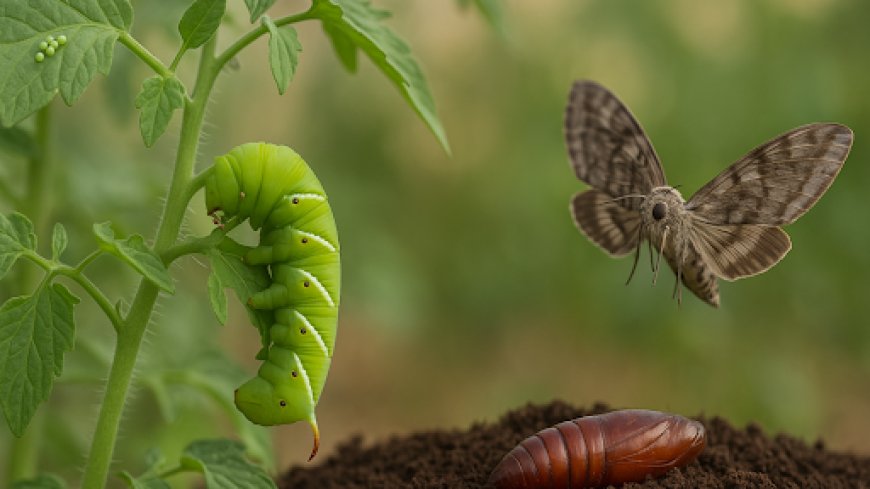
If you raise reptiles, amphibians, or insectivorous birds, you're likely familiar with hornworms those plump, vibrant green caterpillars with a distinctive "horn." But what happens after they pupate? Understanding the lifecycle of the hornworm moth (primarily Manduca sexta or Manduca quinquemaculata) isn't just interesting; it's crucial for successful breeding or simply appreciating the natural journey of your pet's feeder insects. A key question for breeders is: how long do hornworm moths live?
Let's break down their remarkable transformation:
The Egg Stage (3-5 days)
Beginning
It all starts when an adult female moth lays tiny, spherical, pale green or yellowish eggs, usually singly on the underside of host plant leaves (like tomato, tobacco, or peppers in the wild, or your prepared hornworm diet).
Pet Owner Insight
If you're breeding, finding these eggs means success! They hatch incredibly quickly. Keep conditions warm (75-85F / 24-29C is ideal) and humid for best results.
The Larval Stage (Caterpillar/Hornworm: 3-4 weeks):
The Feeder Stage
This is the stage you know best. The tiny caterpillar emerges and embarks on a mission: EAT. It grows explosively, molting its skin 4-5 times. Its iconic horn is harmless.
Pet Owner Insight
This is the prime nutritional stage for your pets. Growth rate is highly temperature-dependent. Warmer = faster growth/shorter life. Cooler = slower growth/longer life. Watch for the "wandering" phase when they stop eating and move to find a pupation site. Thats your cue theyre ready for the next stage.
The Pupal Stage (Chrysalis: 2-4 weeks, sometimes longer):
Metamorphosis Central
The mature caterpillar burrows into soil or seeks shelter, sheds its final larval skin, and forms a hard, dark brown, torpedo-shaped pupa. Inside, the incredible transformation from crawling caterpillar to flying moth occurs.
Pet Owner Insight
This stage requires patience and the right environment:
Medium
Provide several inches of slightly moist (not wet) substrate like peat moss, coconut coir, or vermiculite for burrowing.
Conditions
Maintain consistent warmth (70-80F / 21-27C) and moderate humidity. Avoid disturbance.
Diapause
If conditions mimic winter (cooler temps, shorter days), pupae can enter "diapause," a suspended state lasting months until warm conditions return. This is nature's way of surviving winter. Breeders can manipulate this with consistent warmth and light.
The Adult Moth Stage (1-2 weeks):
The Brief Finale
This brings us to the answer for "how long do hornworm moths live?" Adult hornworm moths are impressive creatures with stout, furry bodies and large wingspans (4-5 inches). They are typically grey or brown with intricate patterns and orange spots on their abdomen.
Crucially
Adult moths do not eat. They lack functional mouthparts. Their sole purpose is reproduction.
Pet Owner Insight
Lifespan Reality
Expect adult moths to live only 7 to 14 days. Males often emerge slightly before females. They mate quickly.
Activity
They are most active at dusk and dawn (crepuscular) or night (nocturnal). During the day, they rest motionless, camouflaged on surfaces.
Breeding
If you want eggs, introduce newly emerged moths immediately. Provide vertical surfaces (mesh, screen) for them to cling to and ample space. A sugar water/honey water solution might slightly energize them but doesn't extend their core lifespan significantly.
End of Cycle
After mating and laying eggs (females can lay hundreds), the moths simply die, having completed their biological mission.
The Entire Lifecycle Timeline
From egg to adult death, the entire lifecycle under optimal, warm breeding conditions typically takes 8 to 12 weeks. The vast majority of that time is spent as a larva (eating and growing) and as a pupa (transforming). The winged adult phase is strikingly brief.
Why This Matters for Pet Owners
Breeding Success
Knowing the stages, durations, and environmental needs (especially for pupation) is essential for reliably producing hornworms as feeders.
Understanding Feeder Insects
Appreciating the lifecycle fosters better care for the larvae you raise and a deeper understanding of the natural world your pets interact with.
Managing Expectations
Don't expect adult moths to live long or eat; their short life is normal. If breeding, act quickly once they emerge.
Recognizing Issues
If larvae aren't pupating, pupae aren't hatching, or adults die immediately, understanding the lifecycle helps troubleshoot problems (temperature, humidity, nutrition, disease).
The hornworm moth's lifecycle is a powerful example of metamorphosis, culminating in an adult stage focused entirely on ensuring the next generation. While the adult moth's flight is fleeting, lasting only a week or two, understanding this entire journey empowers pet owners to be more effective and informed caretakers, whether they're raising feeders or simply marveling at nature's process.