

















What is the Introduction of the Ludo Game in India?
Ludo, a vibrant and engaging board game, holds a special place in the hearts of millions in India, where it is cherished as a family pastime and a source of joyful competition.

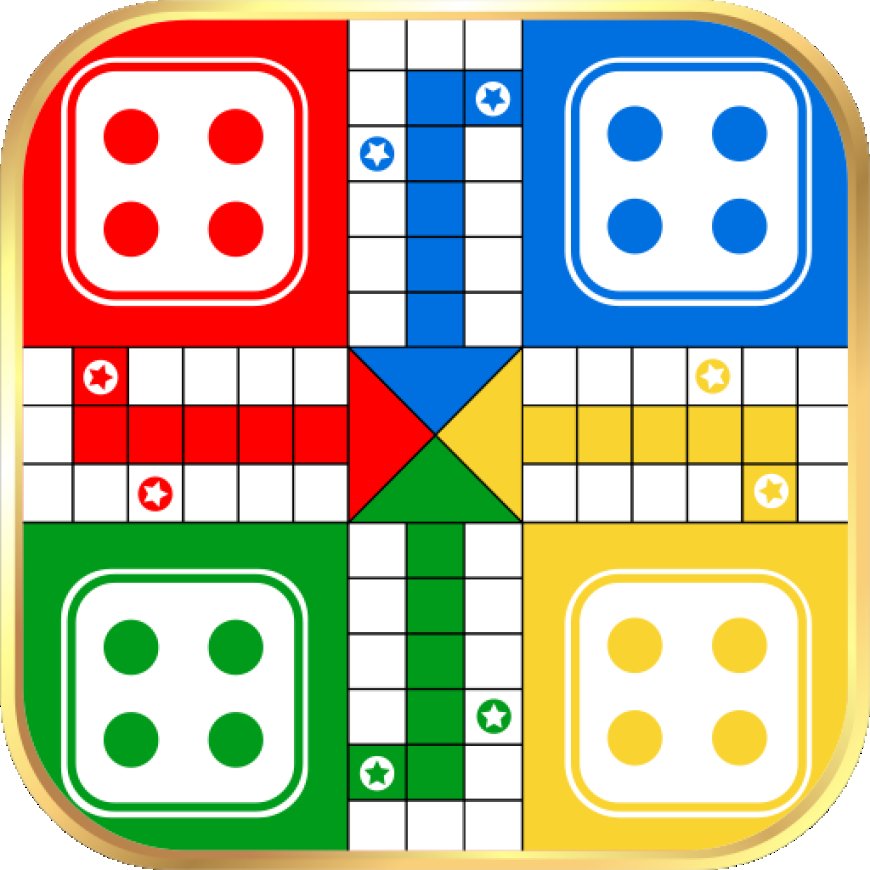
Ludo, a vibrant and engaging board game, holds a special place in the hearts of millions in India, where it is cherished as a family pastime and a source of joyful competition. Known for its simple yet strategic gameplay, Play Ludo has become a cultural staple across Indian households, bridging generations and fostering social bonds. But how did this beloved game make its way into India, and what factors contributed to its widespread popularity? This article explores the introduction of Ludo in India, its historical context, and its journey to becoming a modern-day favorite.
Historical Context: From Pachisi to Ludo
The roots of Ludo in India can be traced back to its ancient predecessor, Pachisi, a game that originated around the 6th century CE during the Gupta Empire. Pachisi, often dubbed the "national game of India," was played on a cross-shaped board with cowrie shells as dice, where players aimed to move their pieces around the board and back to the center. This game was deeply embedded in Indian culture, enjoyed by royalty, such as Mughal emperor Akbar, and commoners alike in villages and towns.
While Pachisi laid the groundwork, Ludo as we know it today emerged as a simplified adaptation in the late 19th century. Patented in England in 1896 under the name "Ludo" (Latin for "I play"), the game streamlined Pachisis rules, replacing cowrie shells with six-sided dice and standardizing the board into a square with colored paths. It was during the British colonial period (18581947) that Ludo likely made its way to India, introduced through colonial interactions and the growing popularity of board games in Europe.
Introduction During the Colonial Era
The introduction of Ludo in India can be attributed to the cultural exchanges facilitated by British colonial rule. As British families and officials settled in India, they brought with them Western board games, including Ludo, which was gaining traction in Europe as a parlor game. The games simplicitymoving pieces based on dice rolls, capturing opponents pieces, and racing to the centermade it appealing to diverse audiences, including Indian families exposed to it through social interactions with the British.
Indian elites, particularly those in urban centers like Calcutta (now Kolkata), Bombay (now Mumbai), and Delhi, were among the first to adopt Ludo. The games resemblance to Pachisi made it instantly relatable, as the cross-shaped board and race-based mechanics echoed familiar gameplay. Over time, Ludo began to spread beyond elite circles, finding its way into middle-class homes and rural communities, where it was embraced as an accessible and entertaining pastime.
Factors Behind Ludos Popularity in India
Several factors contributed to Ludos rapid acceptance and enduring popularity in India:
Cultural Familiarity: Ludos similarity to Pachisi and its variant, Chaupar, made it easy for Indians to adopt. The core mechanicsmoving pieces along a track, capturing opponents, and relying on dice rollsmirrored traditional games, allowing players to transition seamlessly.
Simplicity and Accessibility: Unlike complex strategy games, Ludos rules were easy to learn, making it suitable for players of all ages. The game required minimal equipmenta board, dice, and piecesmaking it affordable and portable, even for rural households.
Social Bonding: Ludos multiplayer format, typically supporting two to four players, fostered social interaction. In India, where family and community gatherings are central to social life, Ludo became a perfect activity for festive occasions, rainy afternoons, and casual get-togethers.
Colonial and Post-Colonial Spread: The British presence in India facilitated Ludos initial introduction, but its popularity surged in the post-independence era (after 1947). As India modernized, Ludo boards became widely available in markets, and the game became a staple in schools, homes, and community centers.
Ludos Integration into Indian Culture
By the mid-20th century, Ludo had firmly established itself in India, transcending urban-rural and class divides. The game was often played during festivals like Diwali, where families gathered to enjoy lighthearted competition. In rural areas, homemade Ludo boards, sometimes drawn on cloth or paper, became common, reflecting the games adaptability to local resources.
Ludo also found a place in Indian popular culture. It appeared in films, literature, and advertisements, often symbolizing nostalgia and family unity. The games vibrant colorsred, blue, green, and yellowbecame iconic, and phrases like Ludo mein number aaya! (I got a good roll in Ludo!) entered everyday slang, reflecting its cultural significance.
The Digital Revolution: Ludo in Modern India
The late 20th and early 21st centuries brought a new chapter in Ludos journey in India with the advent of digital technology. The rise of smartphones and internet connectivity in the 2010s led to a surge in online Ludo games, with apps like Ludo King becoming wildly popular. These digital versions allowed players to compete with friends or strangers across the country, adding features like chat functions, customizable boards, and multiplayer modes.
The COVID-19 pandemic in 2020 further boosted Ludos digital popularity, as lockdowns confined people to their homes. Online Ludo became a way to stay connected with loved ones, with millions downloading apps to play virtually. This digital revival introduced Ludo to younger generations, ensuring its relevance in a tech-driven world while preserving its traditional charm.
Conclusion
The introduction of Ludo online game in India, likely during the British colonial era, marked the beginning of a remarkable journey for a game that resonated deeply with the countrys cultural heritage. Building on the legacy of Pachisi, Ludos simplicity, accessibility, and social appeal allowed it to take root across India, from bustling cities to remote villages. Its evolution from a colonial import to a digital sensation reflects its adaptability and timeless allure. Today, Ludo remains a cherished part of Indias gaming culture, uniting players across generations in a shared love for strategy, luck, and fun.