Tucked along the peaceful shores of West Lake in Hanoi, Tran Quoc Pagoda stands as one of Vietnam's most ancient and revered Buddhist temples. This iconic pagoda not only holds deep spiritual significance but also offers visitors a serene refuge from the bustling life of the city. With its history stretching back over 1,500 years, Tran Quoc Pagoda is not just a religious site but a symbol of Hanoi's rich cultural and architectural heritage.
For anyone visiting Hanoi, Tran Quoc Pagoda should be a top destination. The tranquility of the surroundings, combined with the historical richness of the site, makes it a must-see. Whether youre a devout Buddhist, a history enthusiast, or simply someone seeking a peaceful spot to enjoy nature and beauty, Tran Quoc Pagoda offers an experience that touches the soul.
The Fascinating History of Tran Quoc Pagoda
Tran Quoc Pagoda's origins date back to the 6th century, during the reign of Emperor Ly Nam De, making it one of the oldest Buddhist temples in Vietnam. Originally located in the ancient capital of Hanoi, the pagoda was moved to its current location on the shores of West Lake in 1615. This move was necessary to preserve the temple from encroaching urban development and flooding issues. Today, Tran Quoc Pagoda stands proudly as a beacon of Vietnams long-standing Buddhist traditions.
The name Tran Quoc translates to National Defense or Protection of the Country, reflecting its role not only as a spiritual place but also as a symbol of national strength and unity. The pagoda has survived countless wars, invasions, and political changes, maintaining its importance throughout Vietnam's tumultuous history.
Tran Quoc Pagoda has also been the site of numerous renovations and reconstructions. Despite these changes, the pagoda has always preserved its original architectural elements, making it a living testament to Vietnams cultural and religious continuity. The intricate designs, carvings, and statues at the pagoda represent the countrys deep-rooted Buddhist beliefs and artistic traditions, offering visitors a glimpse into the past.
Tran Quoc Pagodas Architectural Beauty
One of the most striking features of Tran Quoc Pagoda is its beautiful and traditional architecture. The pagoda is built in the style of Vietnamese Buddhism, featuring a multi-tiered structure with ornate carvings, colorful roofs, and intricate statues. The pagodas main hall houses statues of the Buddha and several revered Buddhist figures, creating a serene atmosphere for worship and reflection.
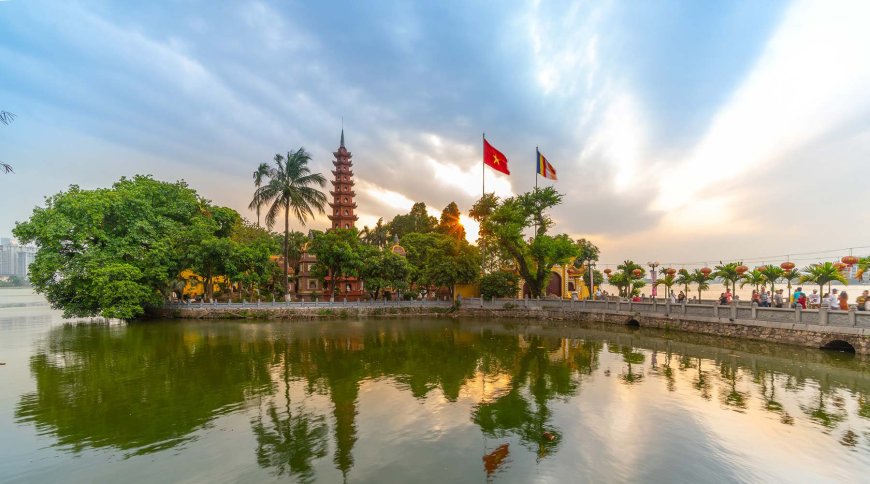
The most iconic feature of Tran Quoc Pagoda is its stunning tower. The 11-story tower, called the "One Pillar Pagoda," stands tall against the backdrop of West Lake, making it an unforgettable sight. This tower, along with the surrounding trees, offers visitors a peaceful view of the lake, and its unique design adds to the pagodas charm. The tower also holds great significance in Vietnamese Buddhism, symbolizing the connection between the heavens and the earth.
As you explore the pagoda grounds, you will come across several smaller shrines, each dedicated to various Buddhist deities. These shrines are adorned with fine artwork and delicate carvings that tell stories from Buddhist mythology and history. The architecture and layout of Tran Quoc Pagoda make it a beautiful place to visit for anyone interested in art, history, or religious traditions.
Tran Quoc Pagodas Spiritual Significance
Beyond its physical beauty, Tran Quoc Pagoda is a spiritual center for Buddhists in Hanoi and beyond. The pagoda has long been a place of worship, reflection, and meditation. Visitors often come here not only to admire the architectural beauty but also to seek peace, pray for good fortune, or simply find solace in the serene surroundings.
The pagoda is a popular destination for both locals and tourists, and you will often see people lighting incense, offering prayers, or making wishes at the various altars throughout the temple. Many people come to Tran Quoc Pagoda to celebrate important Buddhist holidays, such as the Lunar New Year and the Buddha's birthday, where large crowds gather to participate in rituals and ceremonies.
One of the most significant spiritual elements at Tran Quoc Pagoda is the large Bodhi tree planted near the entrance. This tree, which is said to have been gifted by the Indian government in the 1950s, symbolizes the Buddhist concept of enlightenment. It is a place where visitors can meditate, reflect, and connect with the deeper teachings of Buddhism.
The tranquil atmosphere of the pagoda, coupled with the soothing sounds of chanting monks and the scent of incense, creates a spiritual experience that is deeply moving. Whether you are a practicing Buddhist or simply someone seeking peace, Tran Quoc Pagoda offers a sacred space for personal reflection and spiritual growth.
The Surrounding Beauty of West Lake
Tran Quoc Pagoda is located on a small island in West Lake, Hanois largest freshwater lake, which adds to its charm. The pagodas position offers visitors stunning views of the lake, which is one of the most scenic spots in the city. West Lake is known for its serene beauty, with walking paths and bike lanes that surround the water, making it a popular place for both locals and tourists to relax, exercise, or enjoy a leisurely stroll.
West Lake is also home to several other cultural and historical sites, making it an ideal area to explore after visiting Tran Quoc Pagoda. You can enjoy a peaceful boat ride on the lake, visit nearby cafes, or simply sit by the water and admire the breathtaking view. The beauty of the lake combined with the spiritual atmosphere of Tran Quoc Pagoda makes this area one of the most serene and picturesque in Hanoi.
In addition to its natural beauty, West Lake also plays a significant role in Hanois history. The lake has been a source of water, a transportation route, and a cultural hub for centuries. Many of the ancient temples and pagodas around the lake have historical importance, and exploring them provides a deeper understanding of Hanois rich cultural landscape.
Why Visit Tran Quoc Pagoda
Visiting Tran Quoc Pagoda is an opportunity to connect with Hanois history, culture, and spiritual traditions. The pagoda is not just a tourist attraction; its a place where you can immerse yourself in the daily life of the local community and experience the peace and tranquility of Buddhist practices.
Whether youre interested in the history, architecture, or spiritual significance, Tran Quoc Pagoda offers something for everyone. It is a place where you can learn about Vietnams Buddhist heritage, admire intricate artwork, and enjoy the natural beauty of West Lake. The serene atmosphere also provides a perfect opportunity for introspection and reflection, making it an ideal spot for anyone looking for a moment of calm in the midst of a busy city.
For those interested in photography, Tran Quoc Pagoda offers plenty of stunning photo opportunities, from the iconic tower against the lake to the intricate details of the temples carvings. The combination of history, architecture, and nature makes it one of the most photogenic sites in Hanoi.
Conclusion: Tran Quoc Pagoda, A Timeless Icon of Hanoi
Tran Quoc Pagoda is more than just a historical monumentit is a symbol of Hanois enduring spiritual and cultural heritage. From its origins over 1,500 years ago to its place as a central Buddhist site today, the pagoda has stood the test of time. Its tranquil surroundings, stunning architecture, and deep spiritual significance make it a must-visit location for anyone traveling to Hanoi.
Whether youre seeking a peaceful escape, a lesson in Vietnamese history, or a deeper connection with the local culture, Tran Quoc Pagoda offers a unique and enriching experience. Its timeless beauty and historical importance make it one of the jewels of Hanoi, and a visit to this sacred site is sure to leave a lasting impression.