
















The Complete Guide to Custom Embroidery Digitizing in 2025
Master custom embroidery digitizing in 2025 with this comprehensive guide. Learn the latest techniques, software, and pro tips for creating flawless digital embroidery designs

Introduction
Picture this: You've designed the perfect logo or artwork, but when it comes out of the embroidery machine, it looks nothing like your vision. The edges are jagged, the colors bleed, and the details disappear. Sound familiar? This frustrating scenario is exactly why custom digitizing has become the most valuable skill in modern embroidery.
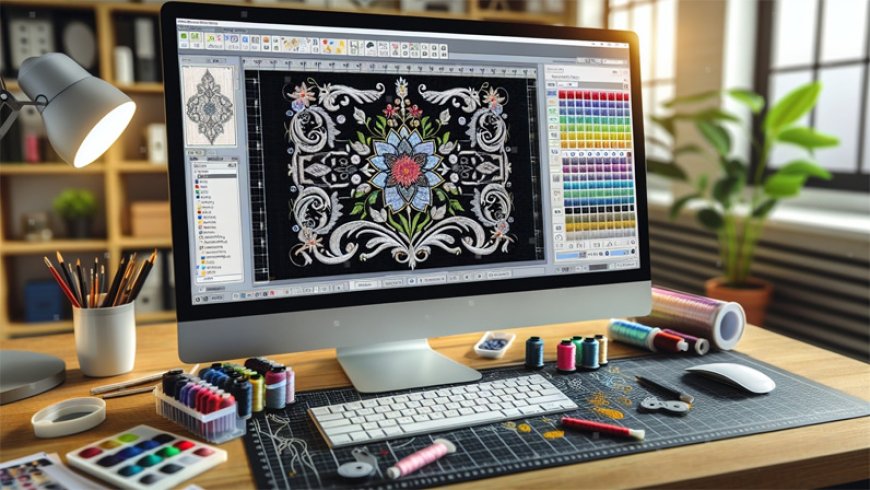
Custom embroidery digitizing is the secret sauce that transforms flat artwork into stitch-perfect designs your machine can execute flawlessly. As we move into 2025, new technologies and techniques are revolutionizing the custom digitizing process. AI-assisted tools now help optimize stitch paths, while cloud-based platforms enable real-time collaboration with clients. Whether you're a small business owner fulfilling custom orders, a hobbyist creating personal projects, or an aspiring professional building your digitizing portfolio, understanding these modern custom digitizing methods is essential.
This comprehensive guide will walk you through everything you need to know about custom digitizing in today's landscape - from choosing the right software to mastering advanced techniques that ensure your designs stitch out perfectly every time. You'll discover why custom digitizing separates amateur results from professional-quality embroidery and how to leverage new 2025 technologies to your advantage.
Why Digitizing Matters More Than Ever in 2025
The Digital Embroidery Revolution
-
AI-assisted digitizing is becoming mainstream
-
Cloud-based collaboration tools are transforming workflows
-
Smart machines demand higher-quality files
Common Digitizing Mistakes to Avoid
-
Using auto-digitize without manual refinement
-
Ignoring fabric-specific requirements
-
Overlooking stitch direction impact
-
Skipping the test stitch-out
Essential Tools for 2025 Digitizing
Must-Have Software
-
Wilcom Hatch 3.0(Professional gold standard)
-
Pulse IDS NextGen(Cloud-connected features)
-
Embrilliance 2025(Best for beginners)
-
Ink/Stitch 4.0(Top free option)
Hardware Upgrades Worth Considering
-
Pressure-sensitive digitizing tablets
-
4K monitors for precision work
-
Multi-core processors for faster rendering
Step-by-Step Digitizing Process
1. Artwork Preparation
-
Convert to vector when possible
-
Simplify complex elements
-
Establish clear color regions
2. Stitch Type Selection
-
Satin stitchesfor borders (2-6mm ideal)
-
Fill stitchesfor large areas
-
Running stitchesfor fine details
3. Parameter Settings
-
Density: 0.35-0.55mm for most fabrics
-
Underlay: Zigzag for stability
-
Pull compensation: 10-20% adjustment
4. AI-Assisted Optimization
-
Auto-correct uneven stitch distribution
-
Smart pathfinding to minimize jumps
-
Fabric-specific presets
2025's Game-Changing Techniques
1. 3D Puff Digitizing
-
New algorithms for perfect foam embroidery
-
Automatic height mapping
-
Improved stitch structure
2. Smart Color Blending
-
Gradient stitch technology
-
Automatic thread color matching
-
Photorealistic effects
3. Hybrid Stitch Technology
-
Combining embroidery with vinyl elements
-
Seamless appliqu integration
-
Mixed-media designs
Fabric-Specific Digitizing
Knits vs. Wovens
-
Different pull compensation needs
-
Varied stabilizer requirements
-
Stitch density adjustments
Specialty Materials
-
Leather: Reduced density, special needles
-
Towels: Longer stitches, extra underlay
-
Stretch fabrics: Directional stitching
Troubleshooting Modern Digitizing Issues
Problem: Design Distortion
2025 Solution:
-
Use AI-powered pull compensation
-
Try new mesh stabilization algorithms
-
Adjust for specific material stretch
Problem: Thread Breaks
2025 Solution:
-
Smart tension adjustment previews
-
Automatic stitch length optimization
-
Needle position analysis
Problem: Poor Detail Reproduction
2025 Solution:
-
Micro-stitch technology
-
High-definition digitizing modes
-
Precision underlay mapping
The Business of Digitizing in 2025
Pricing Strategies
-
Subscription vs. one-time models
-
Value-based pricing for specialty work
-
Automated quoting systems
Workflow Optimization
-
Cloud-based file management
-
Mobile design approval apps
-
Automated production tracking
Future Trends to Watch
1. AR/VR Digitizing
-
Virtual reality design environments
-
Augmented reality stitch previews
2. Blockchain for Designs
-
Secure design ownership
-
Royalty tracking
3. Eco-Friendly Digitizing
-
Thread-saving algorithms
-
Sustainable material presets
Getting Started with Digitizing
Learning Resources
-
Interactive online courses
-
AI-powered tutoring systems
-
Virtual mentorship programs
Practice Projects
-
Simple monogram
-
Basic shape designs
-
Graduated complexity artwork
Conclusion
Custom embroidery digitizing in 2025 blends traditional craftsmanship with cutting-edge technology. While software continues to get smarter, the human touch remains essential for truly exceptional results.
Start small, experiment often, and remember - every professional digitizer started where you are now. The most important step is to begin.
Final Tip:Create a "digitizing diary" to track your progress. Note what works, what doesn't, and how different fabrics behave. In six months, you'll be amazed at how far you've come.
Now grab some artwork and start digitizing - your perfect stitch-out awaits!