













The Complete Guide to Buying Shipping Containers for Sale in Australia (2025)

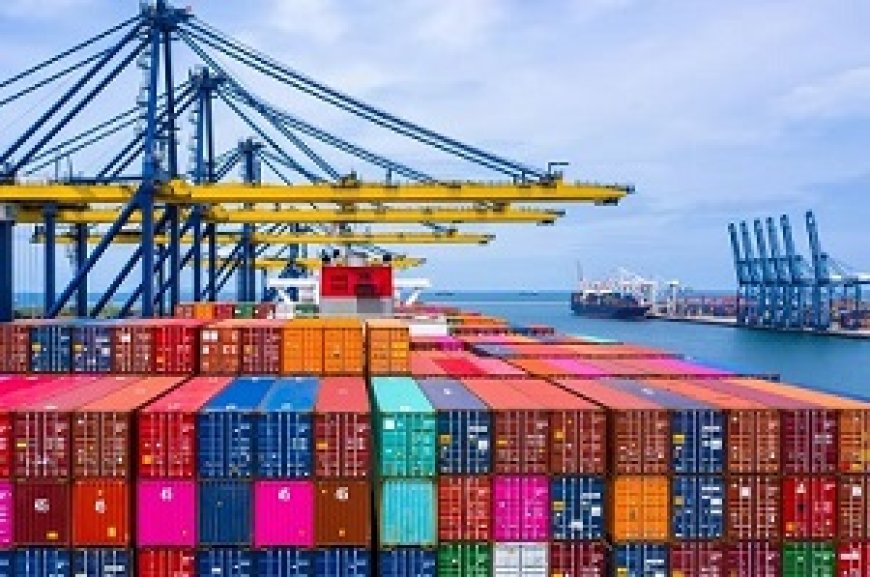
Shipping containers have become a staple across industries, not just for freight but also for a wide range of practical and creative uses. Whether its for secure storage, mobile offices, modular homes, or pop-up retail spaces, the demand for shipping containers in Australia continues to rise. If you're searching for shipping containers for sale, it's crucial to understand the types available, pricing, condition standards, and what to consider before making a purchase.
This comprehensive guide breaks down everything you need to know before buying a shipping container in 2025.
1. What Are Shipping Containers Used For?
Originally designed for transporting goods across long distances, shipping containers are known for their structural strength, weather resistance, and portability. In recent years, Australians have adopted containers for various applications including:
-
On-site storage for construction and mining
-
Temporary or mobile office space
-
DIY shipping container homes
-
Workshops and studios
-
Retail kiosks and food trucks
-
Disaster relief shelters
Their durability and versatility make them suitable for both personal and commercial use.
2. Types of Shipping Containers for Sale
Before purchasing a container, it's important to know which type suits your needs. Here are the most common types available in the Australian market:
a. General Purpose (GP) Containers
The most commonly used, GP containers are 20 or 40 feet in length with a standard height of 8.6 feet. They are ideal for storing furniture, tools, documents, and general freight.
b. High Cube Containers
Similar to GP containers but with an additional foot in height (9.6 feet total), high cubes provide extra volume and are excellent for oversized items or modified builds like container homes.
c. Refrigerated Containers (Reefers)
Designed with built-in cooling units, reefers maintain specific temperature ranges and are ideal for storing perishable goods, pharmaceuticals, or temperature-sensitive items.
d. Side Opening Containers
Featuring doors that open along the long side of the container, these are great for accessing large or bulky items without unloading everything.
e. Dangerous Goods Containers
Specially designed with bunded floors and ventilation, these are compliant with safety regulations for storing chemicals, fuel, and other hazardous materials.
3. New vs Used Shipping Containers
When browsing shipping containers for sale, you'll notice both new and used options. Each has its pros and cons.
New Containers
Often referred to as "one-trip" containers, these units have only made a single journey from the manufacturer and are in excellent condition.
-
Pros: Minimal wear, long lifespan, suitable for modification
-
Cons: Higher cost
Used Containers
These have been in circulation for years and vary in condition.
-
Pros: More affordable, ideal for storage
-
Cons: May have dents, rust, or require maintenance
It's essential to inspect used containers thoroughly or request detailed photos and specifications from the seller.
4. Container Sizes and Specifications
Heres a quick overview of standard container sizes:
| Container Type | External Dimensions (L x W x H) | Volume | Tare Weight |
|---|---|---|---|
| 20ft GP | 6.06m x 2.44m x 2.59m | ~33.1 m | ~2,200 kg |
| 40ft GP | 12.19m x 2.44m x 2.59m | ~67.7 m | ~3,800 kg |
| 40ft High Cube | 12.19m x 2.44m x 2.89m | ~76.4 m | ~4,200 kg |
Always measure your site space and delivery access before selecting a container size.
5. Container Grading: Understanding Conditions
Used containers are typically graded by condition, which affects pricing and usability:
-
A-Grade: Wind and watertight, minimal rust or dents
-
Cargo-Worthy (CW): Certified for international transport, structurally sound
-
B-Grade: Functional for storage but may have visible wear
-
As-Is: Cheapest option, may require repairs
If your project involves modifying the container into a living or working space, aim for A-Grade or CW containers.
6. How Much Do Shipping Containers Cost in Australia?
Prices vary depending on size, type, and condition, but heres a general estimate in 2025:
| Type | New (AUD) | Used (AUD) |
|---|---|---|
| 20ft GP | $5,500 $6,500 | $3,800 $4,800 |
| 40ft GP | $7,500 $9,000 | $5,500 $6,800 |
| 40ft HC | $8,500 $10,500 | $6,000 $7,500 |
| 20ft Reefer | $12,000 $16,000 | $8,000 $10,000 |
Delivery charges vary depending on distance, access, and whether a tilt-tray or crane is required.
7. What to Consider Before Buying
To make an informed decision, consider the following factors:
a. Purpose
Determine how the container will be usedstorage, transport, modification, or accommodation.
b. Condition
Check if the container is wind- and watertight, free of rust, and has a solid floor and working doors.
c. Location
Ensure theres enough access space for delivery. Some remote or tight spaces may require crane access.
d. Council Approvals
If using the container as a permanent structure or dwelling, check with your local council about zoning regulations and building permits.
e. Supplier Reputation
Buy from a trusted supplier with transparent pricing, genuine condition reports, and customer support.
8. Delivery and Site Preparation
Delivery is a key part of the container buying process. Make sure your site is:
-
Level and clear of debris
-
Accessible by truck or crane
-
Prepared with concrete slabs, timber sleepers, or steel pads for elevation and ventilation
Improper placement can lead to moisture buildup and structural issues over time.
9. Eco-Friendly and Innovative Uses
Australians are increasingly using shipping containers in sustainable and creative ways. Some examples include:
-
Off-grid cabins powered by solar panels
-
Swimming pools using high cube containers with custom liners
-
Vertical gardens built into container walls
-
Mobile cafs and food stalls
-
Emergency shelters for disaster relief
Their strong structure, modular design, and recyclability make containers an excellent base for innovation.
10. Frequently Asked Questions (FAQs)
Q1: Do I need council approval for a shipping container?
If its being used temporarily or for storage, you may not need approval. Permanent structures usually require permits.
Q2: How long does a shipping container last?
With proper care, a new container can last 25+ years. Used containers typically last 1015 years depending on maintenance.
Q3: Can I modify a shipping container myself?
Yes, but structural changes like cutting out walls or adding windows should be handled by professionals to maintain integrity.
Q4: Are containers waterproof?
Yes, wind- and watertight containers are sealed to prevent water entry. Always inspect seals and flooring.
Q5: Can containers be stacked?
Absolutely. Shipping containers are designed to be stacked safely, provided the bottom unit is on stable ground and the locking mechanisms are used.
Conclusion
Whether you're after secure storage, a portable office, or a base for your dream tiny home, buying a shipping container is a smart investment. With a wide range of sizes, grades, and types available across Australia, theres a container to suit every need and budget. By understanding the market and what to look for, youll be better equipped to make a confident and cost-effective purchase.
As shipping container innovation continues to grow, these steel giants are no longer just about logisticstheyre a foundation for creativity, practicality, and sustainable design.