

















The Best Time of Year for Effective Tree Pruning?

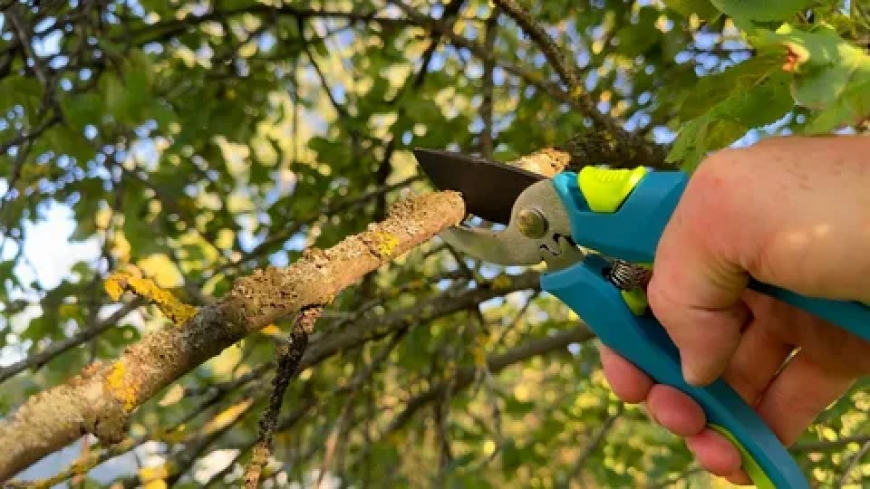
Proper tree care requires thoughtful timing, especially when it comes to tree pruning. Choosing the right time of year to prune ensures not only the health of your trees but also the safety of your property and the longevity of your landscape investment. While tree pruning might appear to be a straightforward task, it involves understanding the growth cycles of trees, the purpose of the pruning, and the type of tree being trimmed.
Many homeowners and property managers turn to expert services like Premium Tree Care LLC, which understands how seasonal changes affect tree physiology. With years of hands-on experience and a team of certified arborists, they provide guidance that aligns with best practices in arboriculture and modern plant health care strategies.
The timing of tree pruning depends on several factors, including the species of the tree, its age, growth stage, and specific goalswhether it's structural correction, disease prevention, or aesthetic shaping. Let's explore these considerations in detail and identify the best seasons for pruning various types of trees.
Understanding the Tree Growth Cycle
To understand when to prune, one must first understand the basic growth cycle of a tree. Trees go through stages of dormancy and active growth. During dormancy, energy is conserved in the roots and trunk, while in spring and summer, the energy is focused on leaf and branch development. This cycle plays a critical role in how the tree responds to pruning.
Pruning during dormancy, particularly in late winter, encourages vigorous spring growth. Conversely, pruning during active growth seasons might slow down overall development or make the tree susceptible to disease and pest infestation.
Benefits of Pruning in Late Winter
For most deciduous trees, late wintertypically February or early Marchis the ideal time for tree pruning. At this stage, trees are still dormant, and there is minimal sap loss or stress. Additionally, without leaves, the tree's structure is fully visible, making it easier to identify weak or crossing branches that need removal.
Late winter pruning supports healthy, balanced growth in spring. It also minimizes the risk of disease transmission, as most pathogens and insects are inactive during colder months.
Pruning in Early Spring: A Cautious Approach
Some trees, such as maple or birch, are known to bleed sap if pruned too early in spring. While this doesn't typically harm the tree, it may not be ideal from a plant health standpoint. Light shaping and trimming can still be done in early spring, especially on younger trees, but major structural cuts are better handled during dormancy.
Flowering trees that bloom in early spring, like dogwoods and magnolias, should be pruned after their blossoms fade. Otherwise, you risk cutting off next season's flowers.
The Case for Summer Pruning
While not as common, summer tree pruning has its benefitsparticularly for correcting minor structural issues or slowing down rapid growth. Pruning in summer can help redirect energy and shape the tree more deliberately. It's also helpful for thinning a dense canopy to increase light penetration and air circulation.
However, summer pruning should be done conservatively and only on healthy trees. Large cuts or excessive limb removal can stress the tree during hot and dry weather conditions.
When to Avoid Pruning Altogether
Fall is generally considered the worst time for tree pruning. As trees prepare for dormancy, pruning stimulates new growth that wont harden before winter, leaving the tree vulnerable to frost damage. Additionally, freshly cut limbs in the fall are more likely to attract decay fungi, which are actively reproducing during this season.
Unless it's an emergency situation, like removing broken limbs after a storm, it's best to wait until the colder months pass.
Species-Specific Timing
Different tree species respond differently to seasonal changes. For instance:
-
Fruit trees benefit from late winter pruning to enhance yield and shape
-
Evergreens are best pruned in early spring or mid-summer
-
Oak trees should only be pruned during dormancy to prevent oak wilt disease
-
Flowering shrubs like lilacs or hydrangeas should be pruned immediately after blooming
Knowing the right time based on the tree species is vital to preserving both beauty and health.
Pruning Young Trees for Long-Term Benefits
Young trees require formative or structural pruning to ensure a strong framework for future growth. This process includes removing competing leaders, correcting crossing branches, and spacing out limbs evenly. Early and well-timed pruning reduces the need for corrective measures later and leads to a more resilient tree structure.
Structural tree pruning is most effective when done within the first few years of a trees life and should ideally occur during the dormant season.
Safety and Risk Management
Trees located near homes, power lines, or pathways must be maintained with safety in mind. Hazardous limbs that are dead, diseased, or storm-damaged should be removed immediately, regardless of the time of year. Emergency pruning may be unavoidable to prevent injury or property damage.
In such cases, professional arborists assess the risks and make cuts that balance urgency with the long-term health of the tree.
Professional vs. DIY Pruning
While small ornamental trees or shrubs might be manageable with home tools, large or mature trees should be handled by professionals. Certified arborists have the training, equipment, and experience to assess trees accurately and perform pruning that enhances rather than harms them.
Partnering with a company like Premium Tree Care LLC ensures that every cut made is informed by deep knowledge of tree biology, local climate, and pruning techniques.
Timing Is Key for Healthy Trees
In summary, timing can significantly affect the results of tree pruning. The right season ensures optimal wound healing, encourages healthy growth, and minimizes exposure to pests or disease. Late winter and early spring are generally the best times, but some trees have unique timing requirements.
Choosing the proper pruning time isn't just about aestheticsits about safeguarding your trees' future and enhancing the safety and value of your property.
Conclusion
Effective tree pruning isn't just about cutting away excess growthit's a strategic, science-based process that supports the health, structure, and beauty of your trees. By understanding the right time of year to prune based on growth cycles, tree species, and specific goals, you set your trees up for long-term vitality.
From stimulating growth in spring to correcting structure in summer, every season plays a role. However, pruning at the wrong time can lead to unnecessary stress, reduced flowering, or disease susceptibility. Thats why trusting certified arborists like those at Premium Tree Care LLC ensures that every pruning task is executed with precision and professionalism.
When it comes to preserving the natural beauty and safety of your landscape, well-timed pruning is one of the most powerful tools at your disposal.
FAQs
Whats the best month for tree pruning?
Late February to early March is ideal for most deciduous trees, as they are still dormant and less susceptible to disease or shock.
Can I prune my trees in summer?
Yes, but it should be limited to light trimming or corrective shaping. Avoid major cuts during extreme heat or drought.
Is fall a good time to prune trees?
Generally, no. Fall pruning can expose trees to disease and interfere with their natural transition into dormancy.
Do flowering trees require special pruning times?
Yes. Prune after the bloom period to avoid removing next seasons flower buds.