
















Simplify Fish Care: The Ultimate Guide to Choosing an Aquarium Fish Feeder

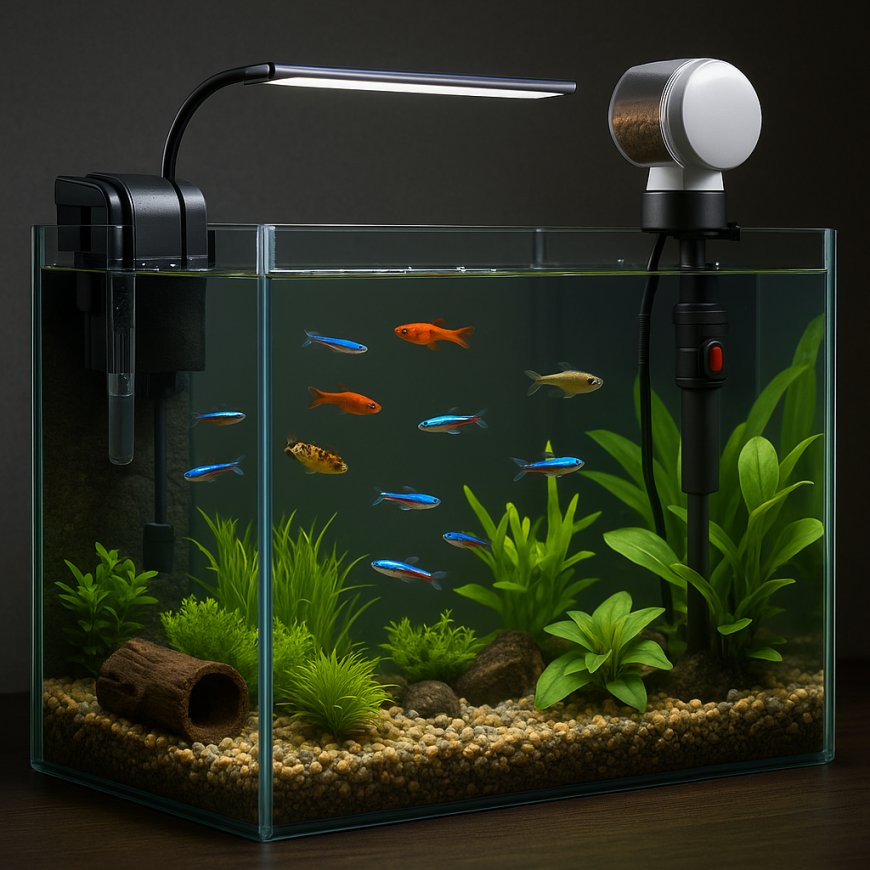
Keeping an aquarium is a rewarding hobby, but it comes with responsibilities, especially when it comes to feeding your fish. Consistent, balanced feeding is crucial for their health, but busy schedules, vacations, or simple forgetfulness can make it tough to stick to a routine. Enter the aquarium fish feeder, a game-changer for both novice and seasoned aquarists. Whether youre heading out for a weekend getaway or just want to streamline daily care, a reliable feeder ensures your fish get the right amount of food at the right time. In this 2,500-word guide, well explore why you need a KwikPets aquarium fish feeder, the different types available, how to choose the best automatic aquarium feeder, and practical tips to make fish care effortless. Lets dive in and make feeding your aquatic friends a breeze!
Why You Need an Aquarium Fish Feeder
Feeding fish might seem simple, but its easy to get wrong. Overfeeding can clog filters, spike ammonia levels, and harm your fish, while underfeeding leaves them hungry and stressed. Manual feeding also ties you to a strict schedule, which isnt always practical. An aquarium fish feeder solves these problems by automating the process, delivering precise portions at set times. This consistency promotes healthier fish and cleaner tanks, as it reduces the risk of uneaten food polluting the water.
For aquarists who travel, a feeder is a lifesaver. Instead of relying on a friend or neighbor, who might not know how much to feed an aquarium, a fish feeder keeps things on track. Even at home, its a time-saver, especially for those with multiple tanks or demanding schedules. From nano tanks with a single betta to large reef setups, theres a feeder designed to meet your needs. Additionally, modern feeders accommodate various food types, including flakes, pellets, and even frozen foods, making them versatile for both freshwater and saltwater aquariums.
Types of Aquarium Fish Feeders
Aquarium fish feeders come in three main types: manual, automatic, and smart. Each has unique features to suit different needs and budgets.
-
Manual Feeders: These are simple devices, like feeding rings or slow-release blocks, that dont require programming. Feeding rings keep floating food contained, preventing it from clogging filters, while vacation blocks dissolve slowly over days. Theyre affordable but lack precision and arent ideal for long-term use.
-
Automatic Feeders: These programmable devices dispense food at set intervals. Models like the EHEIM Everyday Fish Feeder allow you to customize feeding times and portion sizes, making them great for daily use or short trips. They work best with pellets to avoid clogging and are reliable for most tank sizes.
-
Smart Feeders: The latest innovation, smart feeders like the Petsep WiFi Automatic Fish Feeder connect to mobile apps via Wi-Fi, allowing you to control feeding schedules remotely. With features like adjustable portion sizes and multiple food bins, theyre ideal for tech-savvy aquarists or those taking extended vacations.
Manual feeders are budget-friendly but limited in their capabilities, while automatic and intelligent feeders offer more control. Your choice depends on your tank setup, fish species, and how often youre away.
How to Choose the Best Automatic Aquarium Feeder
Selecting the best automatic aquarium feeder by KwikPets requires balancing functionality, tank needs, and budget. Here are key factors to consider:
-
Timer Accuracy: Look for feeders with reliable timers to ensure consistent feeding. Programmable models allow you to set multiple feedings per day, making them ideal for fish like tetras that require small, frequent meals.
-
Food Capacity and Type: Check the feeders capacity (e.g., 60ml to 430ml) to match your absence duration. Ensure it handles your food typepellets are best for consistency, as flakes can clog. Some feeders, like the Petbank Rechargeable Feeder, support multiple food types.
-
Ease of Setup and Maintenance: Opt for a feeder with simple installation, such as clamp-on designs, and easy-to-clean compartments to prevent mold and clogging.
-
Tank Compatibility: Small tanks (e.g., 10-gallon betta setups) require compact feeders, while larger aquariums may necessitate higher-capacity models. Saltwater tanks benefit from moisture-resistant feeders to protect against corrosion.
-
Power Source: Battery-operated feeders are portable but require regular maintenance checks, while USB-powered ones, such as the Petsep model, ensure continuous operation if a nearby outlet is available.
For beginners, the Pawfly Automatic Fish Feeder is an affordable and user-friendly option. At the same time, advanced aquarists may prefer the EHEIM or Petsep models for their programmability and app control capabilities. Research trusted USA retailers like Petco or Aquarium Co-Op for deals on top-rated models.
Setting Up and Using an Aquarium Fish Feeder
Setting up an aquarium fish feeder is straightforward, but proper setup ensures reliability. Heres a step-by-step guide:
-
Choose the Location: Mount the feeder securely above the tank, using a clamp or adhesive base. Ensure its positioned to drop food away from filters or skimmers to avoid clogging.
-
Fill with Food: Use dry pellets or granules for automatic feeders, as flakes can clump. Fill the hopper to the recommended level; overfilling can cause the mechanism to jam.
-
Program the Feeder: Set the feeding schedule based on your fishs needs (e.g., 12 times daily for most species). Test the portion size by running a manual feed to confirm its not over- or underfeeding.
-
Test Before Leaving: Run the feeder for a few days before traveling to ensure it dispenses correctly. Check for clogs or moisture buildup, especially in humid environments.
-
Maintain Regularly: Clean the feeder every 12 weeks to remove food residue. For smart feeders, update the app and check WiFi connectivity to avoid disruptions.
To troubleshoot issues such as clogging, use pellet food, and store the feeder in a dry location. If food dispenses unevenly, adjust the portion settings or switch to a higher-quality feeder. For vacations, pair the feeder with a tank check-in every 57 days to monitor water quality and fish health.
Latest Trends and Research in Aquarium Fish Feeding (USA)
The pet supplies industry is evolving, with fish care products leading the way in innovation. A 2024 survey by the American Pet Products Association (APPA) reveals that 11.8 million US households own fish, driving demand for automated solutions such as aquarium fish feeders. Smart feeders with WiFi and app control, such as the Petsep model, are gaining popularity for their ability to remotely customize feeding schedules, making them ideal for busy pet owners or frequent travelers.
A 2023 study from the University of California, Davis, found that consistent feeding schedules improve fish growth and reduce stress, with automated feeders outperforming manual feeding in maintaining stable tank conditions. The study emphasized the importance of portion control in preventing water quality issues, highlighting the value of using the best automatic aquarium feeder for long-term fish health.
Sustainability is also a growing trend. Eco-friendly feeders made from recyclable materials or featuring rechargeable batteries are now available on the market, aligning with consumer demand for environmentally friendly pet products. Retailers like PetSmart are stocking these options, making it easier for shoppers to choose sustainable options.
FAQs About Aquarium Fish Feeders
1. What is an aquarium fish feeder, and why do I need one?
Anaquarium fish feeder automates feeding, ensuring your fish get consistent meals. Its ideal for busy schedules or vacations, preventing overfeeding and maintaining water quality.
2. How do I choose the best automatic aquarium feeder?
Look for features such as programmable timers, adjustable portions, and compatibility with your preferred food type (pellets are preferred). Consider tank size and power source (battery or USB).
3. Can an aquarium fish feeder work for both freshwater and saltwater tanks?
Yes, most feeders are versatile, but saltwater tanks need moisture-resistant models to prevent corrosion. Check product specs for compatibility.
4. How long can I leave my fish with an automatic feeder?
Most feeders support 14 weeks, depending on capacity. Have someone check the tank weekly to monitor water quality and feeder performance.
5. Are smart feeders worth the investment?
Smart feeders, such as WiFi-enabled models, offer remote control and precise scheduling, making them ideal for tech-savvy aquarists or those taking long trips. Theyre pricier but highly convenient.
Conclusion
An aquarium fish feeder is more than a convenienceits a tool that ensures your fish stay healthy and your tank stays pristine, whether youre at home or away. By selecting the ideal automatic aquarium feeder for your setup, you can simplify fish care, minimize stress, and thoroughly enjoy your aquarium hobby. Investing in high-quality pet supplies, such as a reliable feeder, reflects your dedication to your aquatic pets. Explore trusted retailers like Petco (https://www.petco.com/) to find the perfect feeder, and share your tips or experiences in the comments. Heres to happy fish and hassle-free feeding!