














Scalable and Secure Web Development: Future-Proofing Your UAE Business for Digital Growth
Scalable and Secure Web Development: Future-Proofing Your UAE Business for Digital Growth

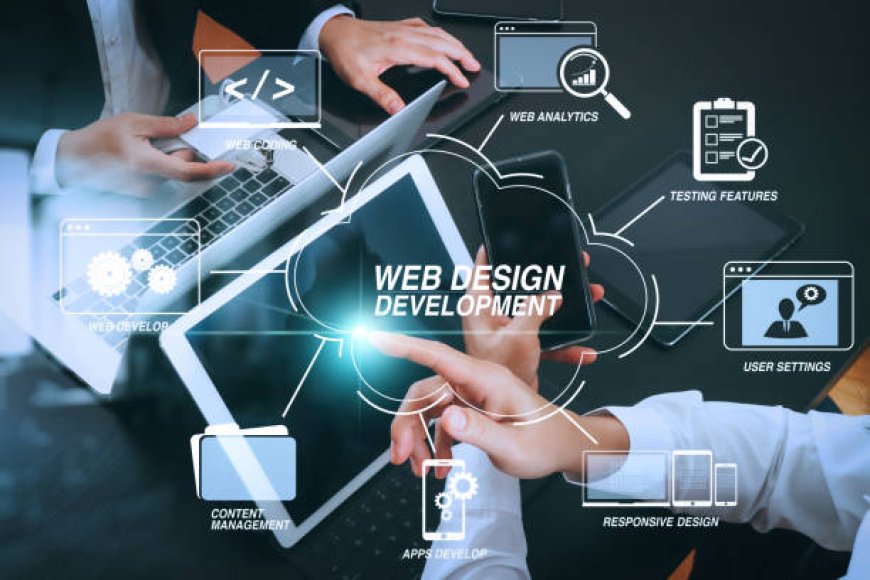
Scalable and Secure Web Development: Future-Proofing Your UAE Business for Digital Growth
In the competitive digital landscape of the UAE, businesses must go beyond aesthetics when developing a website. The foundation of a high-performing website lies in its ability to scale, remain secure, and adapt to future demands. Whether youre a startup or an established enterprise, developing a robust backend infrastructure and choosing the right content management system (CMS) is critical for business continuity and digital transformation.
As brands increasingly look to expand their reach and provide seamless digital experiences, strategic development becomes essential. From secure databases to modular coding practices, UAE businesses are turning to seasoned professionals likeArdent Thriveto ensure their online platforms are fast, scalable, and aligned with global best practices.
Why Scalability Matters in Web Development
Scalability refers to a websites ability to handle increasing traffic or functionality without compromising performance. This is especially important for growing businesses that expect user base expansion, seasonal traffic spikes, or future feature integrations.
When a website isnt scalable, it can crash during high-demand periods, lead to poor user experience, and cost businesses lost revenue. In contrast, scalable websites offer:
-
Faster load times
-
Stable performance under pressure
-
Easier integration of new features
-
Improved user satisfaction
Backend infrastructure plays a significant role in scalability. Developers must design with the future in mindwhether that includes adding new product lines, supporting multiple languages, or integrating with third-party systems like CRMs and ERPs.
Backend Technologies That Drive Scalable Web Development
The backendalso known as the server sidepowers the logic, database interactions, and integrations of a website. In scalable website development, choosing the right stack (combination of programming languages and tools) is vital. Here are some of the most popular backend technologies:
1.Node.js
An event-driven environment ideal for real-time applications and high-performance websites. Node.js is lightweight and well-suited for microservices architecture, making it highly scalable.
2.Laravel (PHP Framework)
Laravel simplifies tasks like routing, caching, and session management. Its perfect for scalable applications requiring clean syntax and secure coding practices.
3.Django (Python Framework)
Django offers rapid development and robust security features. It's ideal for complex, data-driven websites and is widely used in enterprise environments.
4.Ruby on Rails
Rails streamline the development of database-backed web applications. Its a strong choice for startups needing fast MVP development without sacrificing quality.
5.Cloud-First Architectures
Platforms like AWS, Azure, and Google Cloud allow auto-scaling, load balancing, and containerized deployments. This ensures your website can grow without downtime or latency issues.
By leveraging these technologies, developers can create systems that expand with your business, ensuring optimal performance regardless of scale.
CMS Options for Flexibility and Content Control
A content management system allows non-technical users to manage content easily. However, not all CMS platforms offer the scalability and security that businesses in the UAE demand.
Lets examine some of the best CMS platforms for scalable, enterprise-level websites:
1.WordPress (With Advanced Customization)
WordPress powers over 40% of the internet, making it a familiar and widely supported platform. When paired with custom themes, plugins, and security enhancements, WordPress becomes a powerful tool for businesses seeking flexibility without starting from scratch.
2.Drupal
Renowned for its security and modular design, Drupal is ideal for government websites, educational institutions, and enterprises handling sensitive data.
3.Magento (Adobe Commerce)
For eCommerce websites, Magento offers scalability and customization. It supports multiple storefronts, languages, and currenciesessential features for businesses targeting the broader GCC region.
4.Headless CMS (e.g., Strapi, Contentful, Sanity)
Headless CMS separates content from presentation, enabling delivery across various platformsweb, mobile apps, kiosksthrough APIs. This model is future-proof and perfect for omnichannel strategies.
With over three paragraphs separating the initial link, businesses aiming to elevate their development strategies often work with aWebsite Development Agency Dubaithat understands the local business climate and international tech standards. Such agencies bring a blend of market insight, technical prowess, and agile methodologies.
Security: Protecting Your Business and Customers
As cyber threats evolve, web security is no longer optionalits a requirement. From handling customer data to processing payments, websites must implement multi-layered protection.
Key security practices include:
-
SSL Certificates: Encrypts data exchanged between the website and user
-
Firewalls and Malware Scanners: Monitors threats and protects from injections or brute-force attacks
-
Two-Factor Authentication (2FA): Adds an extra layer for admin login security
-
Role-Based Access Control (RBAC): Restricts backend access by roles to prevent unauthorized changes
-
Secure Payment Gateways: Ensures PCI compliance and safe transactions
Failure to maintain robust security can damage brand trust and result in heavy fines under regulations like the UAE Cybersecurity Law and GDPR.
Future-Proofing Through Modular Development
Future-proofing means building a website with enough flexibility to evolve with technology and market demands. Modular development is a key part of this strategy. It allows developers to:
-
Add or remove features without overhauling the entire system
-
Speed up updates and reduce downtime
-
Test individual components independently
For instance, a modular eCommerce platform could easily integrate with new payment systems, marketing tools, or shipping APIs as your business expands.
Other elements of future-proofing include:
-
Progressive Web App (PWA) readinessfor mobile optimization
-
SEO-friendly architecturefor long-term visibility
-
Database designthat supports future expansion
-
Accessibility complianceto meet legal standards and user needs
Responsive and Mobile-First Design
With mobile usage continuing to dominate in the UAE, your website must deliver a seamless experience across all devices. Mobile-first design ensures that performance and functionality are optimized for small screens and touch interfaces.
Best practices include:
-
Prioritizing speed and minimalism
-
Using scalable vector graphics (SVGs)
-
Creating touch-friendly navigation
-
Optimizing images for faster load times
Responsive design ensures a consistent user experience whether customers are browsing on a smartphone, tablet, or desktop.
Continuous Integration and Testing
Modern web development doesn't end at launch. Continuous integration (CI) allows teams to push updates, security patches, or features without disrupting the live environment. Automated testing tools help catch errors before they impact users.
Key testing practices include:
-
Unit Testing: Tests individual components for functionality
-
Load Testing: Ensures your site can handle traffic surges
-
Security Audits: Evaluates code and plugins for vulnerabilities
-
User Acceptance Testing (UAT): Validates that updates align with business goals
These strategies contribute to long-term stability and performance, which are crucial for customer trust and conversion rates.
Build Smart, Scale Confidently
A scalable and secure website is more than a technical assetits a strategic investment in your brands digital future. From selecting the right backend framework to choosing a CMS that empowers your team, every development decision should align with your long-term business goals.
In the UAEs rapidly evolving digital economy, businesses must stay ahead of the curve by integrating security, scalability, and modern technologies into their websites. Whether youre targeting local consumers or a global audience, building a future-ready platform sets you up for sustained growth, brand trust, and competitive advantage.
By partnering with experts who understand both technology and regional market dynamics, your business can turn its website into a high-performing engine of engagement, lead generation, and digital success.