

















Rugged Displays: The Backbone of Modern Cockpit Systems
Modern aviation has evolved dramatically, with smart cockpit technology becoming the cornerstone of aircraft operations. At the heart of these advanced systems lie rugged touch screen displays that must perform flawlessly in the most demanding environments.

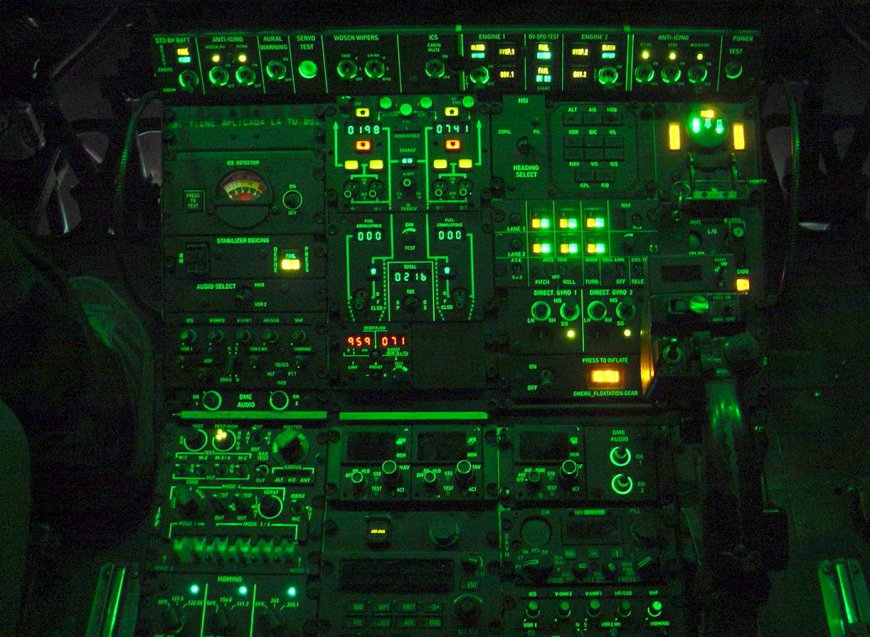
Modern aviation has evolved dramatically, with smart cockpit technology becoming the cornerstone of aircraft operations. At the heart of these advanced systems lie rugged touch screen displays that must perform flawlessly in the most demanding environments. These displays serve as the primary interface between pilots and aircraft systems, making their reliability and durability absolutely critical for flight safety.
The integration of smart cockpit technology has revolutionized how pilots interact with aircraft systems. Traditional analog instruments have given way to sophisticated digital displays that provide real-time data visualization, enhanced situational awareness, and streamlined control interfaces. These rugged touch screen displays must withstand extreme temperatures, vibrations, electromagnetic interference, and rapid pressure changes while maintaining pixel-perfect clarity and responsive touch functionality.
Rugged displays in cockpit environments face unique challenges that consumer-grade screens simply cannot handle. Operating temperatures can range from -40C to +85C, while altitude variations create pressure differentials that can affect display performance. Additionally, the electromagnetic environment in modern aircraft is increasingly complex, with multiple radio frequencies, radar systems, and electronic warfare equipment potentially interfering with display operations.
The development of smart cockpit technology requires displays that meet stringent military and aviation standards. MIL-STD-810 compliance ensures displays can withstand shock, vibration, and environmental extremes. DO-160 certification specifically addresses airborne equipment requirements, including lightning protection, radio frequency susceptibility, and operational temperature ranges. These standards are not merely recommendations but essential requirements for any display system intended for critical aviation applications.
Touch screen functionality in rugged displays presents additional engineering challenges. The touch sensors must remain accurate and responsive while wearing flight gloves, in high-vibration environments, and under various lighting conditions. Multi-touch capabilities enable pilots to perform complex gestures like pinch-to-zoom on navigation displays or multi-finger selection of system parameters, enhancing operational efficiency and reducing pilot workload.
Rugged touch screen displays must also integrate seamlessly with existing avionics architectures. This requires compatibility with various data bus standards such as ARINC 429, MIL-STD-1553, and Ethernet protocols. The display systems must process and render data from multiple sources simultaneously, including flight management systems, weather radar, traffic collision avoidance systems, and engine monitoring equipment.
The optical characteristics of cockpit displays are equally critical. High brightness levels ensure visibility in direct sunlight, while anti-reflective coatings minimize glare and improve readability. Night vision compatibility requires displays to operate in specific spectral ranges that won't interfere with night vision goggles, a crucial requirement for military applications.
Power consumption and thermal management represent significant design considerations for rugged displays. Aircraft electrical systems operate within strict power budgets, making energy efficiency essential. Simultaneously, the heat generated by display systems must be effectively dissipated in the confined space of an aircraft cockpit without compromising component reliability.
Companies like Aeromaoz have established themselves as leaders in developing rugged HMI solutions that meet these demanding requirements. Their expertise in creating displays for mission-critical environments ensures that pilots have access to reliable, high-performance interfaces that enhance flight safety and operational effectiveness.
The future of smart cockpit technology continues to evolve with emerging technologies like augmented reality overlays, artificial intelligence integration, and advanced human factors engineering. These innovations promise to further enhance pilot situational awareness while maintaining the robust reliability that rugged touch screen displays provide in today's most challenging aviation environments.