















Leading Ductless Kitchen Hoods: Innovating for a Breath of Fresh Air

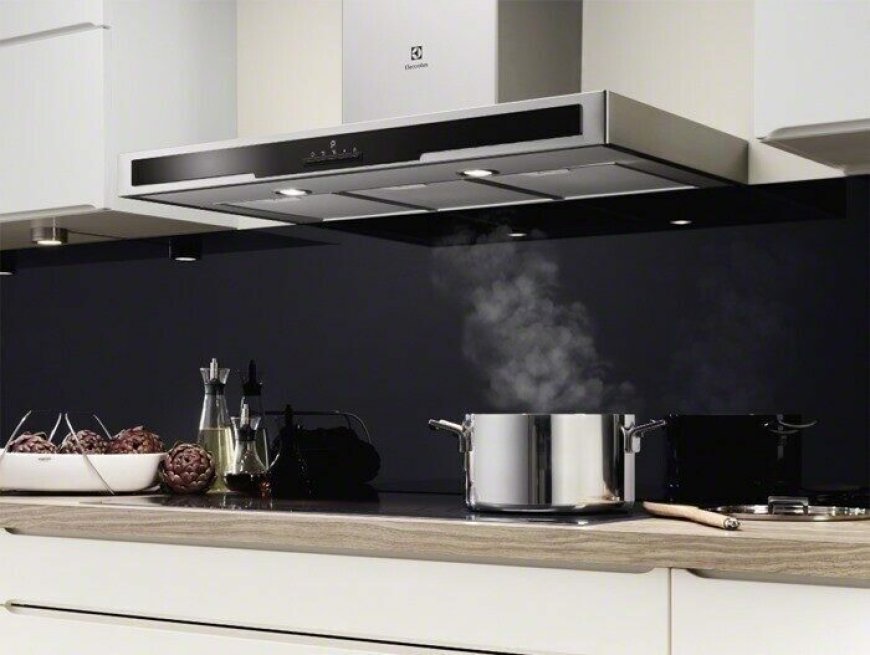
The modern kitchen is increasingly evolving into a central living space, demanding appliances that are not only highly functional but also seamlessly integrate with open-plan designs.1 In this landscape, ductless kitchen hoods have emerged as a pivotal solution, offering effective air purification without the complexities and costs associated with traditional ducted systems. These recirculating range hoods are a testament to innovation, continuously advancing to meet the evolving needs of contemporary homes.
The Science Behind Ductless Efficiency
At its core, a ductless kitchen hood operates on a sophisticated filtration principle.2 Unlike their ducted counterparts that vent smoke, grease, and odors outside, ductless hoods draw in kitchen air and process it internally.3 The air first passes through grease filters, typically made of multi-layered aluminum mesh or stainless steel baffle, which efficiently capture airborne grease particles and larger contaminants.4 This crucial first step prevents clogging of subsequent filters and protects the internal mechanics of the hood.
The truly transformative element in a ductless system is the activated charcoal filter, also known as a carbon filter.5 These specialized filters are packed with highly porous activated carbon, which excels at adsorbing (trapping and neutralizing) odorous molecules and fine particulate matter.6 After passing through these layers of filtration, the now-purified air is recirculated back into the kitchen environment.7 The effectiveness of a ductless hood is directly proportional to the quality and regular maintenance of these filters, with carbon filters requiring periodic replacement to maintain peak performance.8
Why Ductless is Gaining Momentum
The appeal of ductless kitchen hoods extends far beyond simply avoiding the hassle of external ductwork. Their growing popularity is driven by a range of practical and aesthetic benefits:
-
Unparalleled Installation Flexibility: This is the primary draw.9 The absence of ducting means ductless hoods can be installed almost anywhere above a cooktop, from under-cabinet and wall-mounted configurations to island units.10 This freedom is invaluable for apartments, condominiums, historic homes, or any space where complex structural modifications for ducting are prohibitive or impossible.
-
Reduced Installation Costs: Without the need for extensive labor and materials associated with ductwork, the initial installation cost of a ductless hood is significantly lower.11 Many models also lend themselves to easier DIY installation, further saving expenses.
-
Energy Conservation: By recirculating conditioned air back into the home rather than expelling it outdoors, ductless hoods contribute to minor energy savings. This can be particularly beneficial in climates with extreme temperatures, as your heating or cooling system isn't constantly working to replenish lost air.
-
Enhanced Indoor Air Quality (Compared to No Hood): While not as powerful as a ducted system for heavy-duty pollutant removal, a ductless hood drastically improves indoor air quality compared to no ventilation at all. It effectively removes a significant portion of airborne grease, smoke, and cooking odors, creating a more pleasant and healthier cooking environment.
-
Quieter Operation: Modern advancements in fan and motor technology, combined with the absence of noisy duct runs, have led to increasingly quiet ductless hoods. Many leading models boast low sone ratings, making them ideal for open-concept kitchens where noise reduction is a priority.12
Leading Brands and Innovations in 2025
The market for ductless kitchen hoods is dynamic, with several brands leading the charge in terms of performance, design, and innovative features. As of 2025, consumers can expect sophisticated technologies that go beyond basic filtration:
-
Ciarra: A prominent player, Ciarra offers a wide range of ductless options, from compact portable desktop hoods like the "HOOD TO GO" for hot pot and BBQ, to powerful under-cabinet and insert models.13 Their focus on multi-layered filtration (polymer, aluminum, carbon) and quiet operation (as low as 6.5 sones) makes them a strong contender. They are also innovating with features like advanced Plasma+ systems for superior air purification and integrated safety features like gas leakage detection.14
-
Broan-NuTone: A long-standing name in ventilation, Broan-NuTone continues to offer reliable and budget-friendly ductless models, often appearing on "best value" lists. Their focus remains on solid performance and ease of use for everyday cooking.
-
Hauslane: Known for combining strong performance with stylish designs, Hauslane's ductless hoods often receive high praise for their powerful suction and user-friendly features like touch screen controls and multiple fan speeds.15 Their models are often cited as suitable for even "heavy-duty cooking" within the recirculating category.
-
Cosmo: Cosmo provides a variety of sleek and modern ductless range hoods, including under-cabinet and wall-mounted options.16 They are recognized for their aesthetic appeal, competitive pricing, and efficient filtration systems.
-
Fotile: While known for more premium and often convertible models, Fotile's ductless offerings, particularly their "Perimeter Vent Series," emphasize advanced capture technologies and quiet operation. Their innovations include features like auto-turbo mode that intelligently adjust to cooking intensity.17
-
Proline: Proline is gaining recognition for its powerful ductless wall hoods that combine high CFM ratings (up to 600 CFM in ductless mode for certain models) with contemporary designs.18 They emphasize efficient grease capture and odor neutralization, making them a strong choice for more demanding kitchens.
Beyond specific brands, leading ductless kitchen hoods in 2025 are embracing several technological trends:
-
Smarter Filtration: Innovations are moving beyond basic carbon filters to include technologies like PM2.5 sensors for real-time air quality monitoring, and even built-in air purification features (though full HEPA-grade filtration is rare in standard range hoods).
-
Enhanced Connectivity: Wi-Fi and app integration are becoming standard, allowing users to control fan speeds, lighting, and schedules remotely. Gesture control and voice activation are also increasingly common, offering hands-free convenience.19
-
Quieter Motors: Continuous engineering improvements are focusing on reducing noise levels, making cooking a more peaceful experience.
-
Sleeker Designs: Ventless hoods are increasingly becoming design statements, with minimalist aesthetics, varied finishes (e.g., matte black, brushed stainless steel), and integrated lighting options.
Making the Right Choice
When considering a leading ductless kitchen hood, evaluate factors such as the CFM rating (higher for more intense cooking), the quality and ease of maintenance of the filtration system, the noise level (measured in sones), the design that best suits your kitchen, and any smart features that enhance convenience. While ductless hoods are a fantastic solution for many, remember that consistent filter replacement is paramount to their performance. By carefully assessing your cooking habits and kitchen layout, you can confidently select a leading ductless kitchen hood that brings both freshness and style to your culinary space.