

















Is It Too Late to Treat Lazy Eye as an Adult? Here’s What I Found Out

When I first realized that one of my eyes wasnt seeing as clearly as the other, I didn't immediately think of lazy eye treatment for adults. It didnt seem possible. I had never had issues growing up, and as an adult, I thought it might be too late for any improvement. But after experiencing symptoms like blurred vision, difficulty focusing, and occasional double vision, I started searching online: Is it too late to treat lazy eye as an adult?
Through my research, I learned that lazy eye treatment for adults isnt only possible, it can be quite effective, though it may take more time and consistency compared to treating children. If youre in the same boat, wondering whether you can still do something about it, Ive got good news for you: the right treatment can make a significant difference.
What is Lazy Eye?
Before we explore the treatments, its important to first understand what lazy eye actually is. Lazy eye, or amblyopia, occurs when one eye doesn't develop normal vision, despite the eye itself being healthy. The brain begins to favor the stronger eye, and over time, the weaker eyes vision worsens. As a result, a lazy eye can affect depth perception, making it difficult to focus on objects or even perform basic tasks like reading or driving.
For most of my life, I didnt know I had a lazy eye because it wasnt noticeable in everyday activities, but as I grew older, I began noticing the consequences more. Its vital to address this condition early, but even as an adult, you can still improve your vision with the right lazy eye treatment for adults.
Can Lazy Eyes Be Treated in Adults?
Many people believe that lazy eye can only be treated effectively during childhood, but thats not the case. In fact, recent research has shown that adults can still improve their vision with lazy eye treatment. While the process might be slower compared to children, the brains neuroplasticity and the ability to adapt remains intact in adults. The key is finding the right approach and staying committed to it.
I initially worried that it might be too late for me to see improvement, but after talking to an eye specialist and learning more, I found that with the right treatment, adults can also make meaningful progress.
Treatment Options for Lazy Eye in Adults
While surgery is a treatment option for some cases, most adults can improve their lazy eye without it. Below are the most common, non-surgical treatments for lazy eye that I found to be effective:
1. Corrective Lenses
The first treatment that I tried was corrective lenses, which are glasses or contact lenses. For many individuals with lazy eye, especially those with refractive errors like nearsightedness or astigmatism, corrective lenses help focus vision properly, providing clarity and reducing eye strain.
-
How it works: Corrective lenses can help improve the function of the weaker eye by ensuring it is aligned and focused properly with the stronger eye.
-
Duration: In my experience, improvement with corrective lenses was noticeable in a few weeks, but I continued wearing them as part of the overall treatment plan.
2. Eye Patching
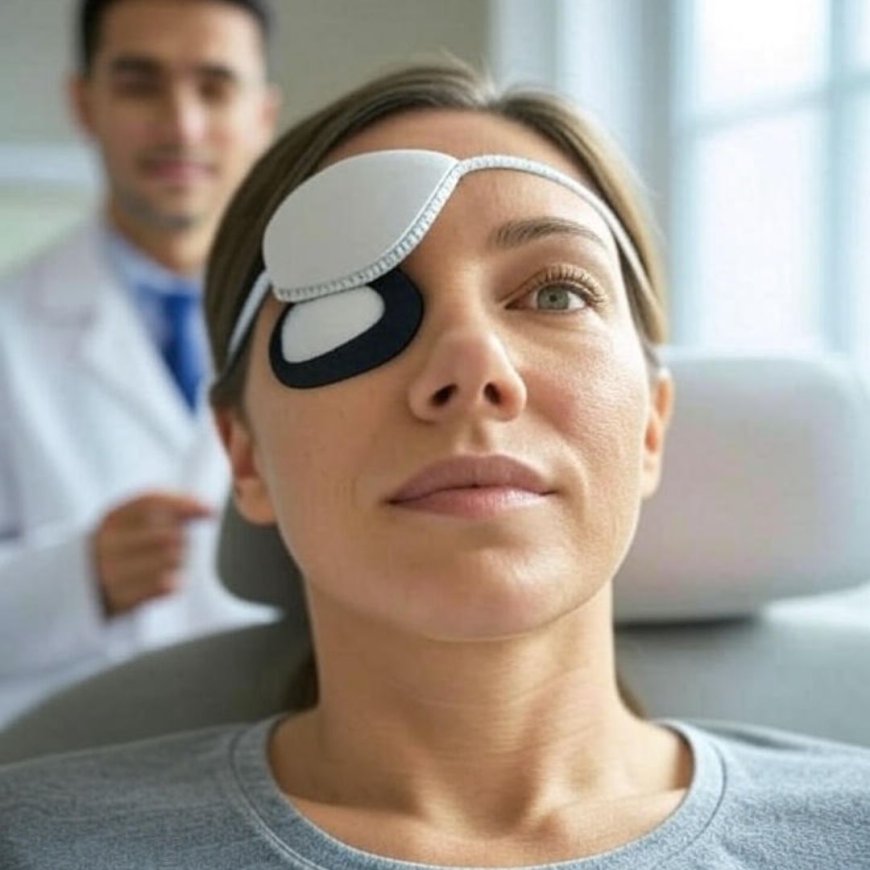
Eye patching is one of the most traditional methods for treating lazy eye. This involves covering the dominant eye to force the brain to rely on the weaker eye, allowing it to strengthen and improve over time.
-
How it works: The patch forces the brain to pay attention to the weaker eye, encouraging the neural connections in the brain to develop stronger visual pathways.
-
Challenges: For adults, wearing an eye patch for hours each day can feel inconvenient, but I found that the discomfort was worth the results.
-
Timeline: It can take anywhere from 6 months to a year for noticeable improvement when patching regularly.
3. Atropine Drops
Atropine drops serve as an alternative to eye patching. They work by temporarily blurring the vision in the dominant eye, forcing the brain to focus more on the weaker eye.
-
How it works: The drops are applied to the stronger eye, which causes temporary blurriness, helping the weaker eye improve.
-
My experience: While I didnt personally use atropine drops, many adults find them easier to manage than eye patching, and they can be just as effective.
-
Timeline: I found that most people begin to see improvements in 3 to 6 months when using atropine drops consistently.
4. Vision Therapy
Vision therapy is one of the most effective treatments for lazy eye, especially for adults. This treatment involves a series of exercises designed to improve eye coordination, focusing skills, and overall brain-eye communication.
-
How it works: Vision therapy includes activities like focusing on objects, eye tracking exercises, and using computer-based programs to help improve vision.
-
My personal experience: This was one of the more time-consuming aspects of treatment, but after completing several sessions, I noticed significant improvements in both visual clarity and depth perception.
-
Timeline: Results can be seen within 3 to 6 months, but for full benefits, it may take up to 18 months depending on consistency.
How Long Does It Take to See Results with Lazy Eye Treatment for Adults?
The timeline for lazy eye treatment for adults is different for everyone. In general, treatment tends to take longer for adults than for children due to the slower pace of brain plasticity. However, with consistent treatment, significant improvements are possible.
-
Early improvements: Most adults start seeing clearer vision and less eye strain after 3 months of treatment, particularly when combining methods like corrective lenses and patching.
-
Long-term results: For full improvement, treatment can take anywhere from 6 months to 2 years, depending on the severity of the condition and the method of treatment used.
Its important to note that lazy eye treatment isnt a one-time fix. It requires consistency, patience, and regular follow-ups with an eye specialist to track progress and make adjustments as needed.
What to Expect During the Treatment Process
During the treatment process, progress can sometimes feel slow, which is one of the most challenging aspects of lazy eye treatment for adults. Heres what you can expect:
-
Challenges: Like many adults, I found it difficult to stay committed to daily patching or therapy exercises. But as I saw small improvements, it became easier to stick to the routine.
-
Tracking progress: Youll likely notice improvements in visual clarity, depth perception, and reduced eye strain after a few months. If youre not seeing these results, its important to check in with your doctor.
-
Adjustments: Sometimes, your treatment plan may need to be adjusted. If patching or vision therapy isnt working as expected, your doctor may recommend a different approach or additional methods.
When Should Surgery Be Considered for Lazy Eye?
In most cases, surgery is considered only for misalignment (strabismus) or if other treatments have not yielded adequate results. Surgery typically involves adjusting the muscles around the eye to improve alignment and coordination. However, its important to understand that surgery alone does not address the visual impairment caused by lazy eye vision therapy that is still required after surgery.
When surgery is needed: If your lazy eye is accompanied by misalignment that cannot be corrected with non-surgical treatments, your doctor may suggest surgery. But this is typically reserved for extreme cases.
Conclusion: Hope for Adults with Lazy Eye
Its never too late for lazy eye treatment for adults. While it may take longer for adults to see results, treatment options like corrective lenses, eye patching, atropine drops, and vision therapy can still yield meaningful improvements. With time, consistency, and professional guidance, adults can restore vision and strengthen the weaker eye.
If youre an adult dealing with lazy eye, dont be discouraged by the belief that its too late. With the right approach, improvement is entirely possible.
FAQs
Q1. Can lazy eye be treated after age 18?
Yes, lazy eye treatment for adults is possible with the right methods such as vision therapy, patching, and corrective lenses.
Q2. How long does lazy eye treatment for adults take?
It typically takes 6 months to 2 years to see significant improvement, depending on the method used and the severity of the condition.
Q3. What is the best treatment for lazy eyes in adults?
Vision therapy, when combined with corrective lenses and other methods like patching or atropine drops, tends to work best for adults.
Q4. Is surgery necessary for a lazy eye?
Surgery is usually only necessary for severe misalignment. Most cases of lazy eye can be treated without surgery using non-invasive methods.
Q5. How do I know if my lazy eye treatment is working?
Signs that your treatment is working include clearer vision, less eye strain, and better depth perception.