














Interior Design Course Trends 2025: What Students Should Focus On
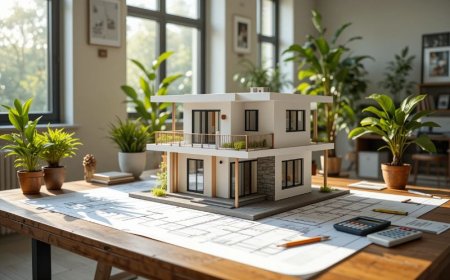
Interior Design Course in 2025 is about more than just beautiful spaces. Its about sustainability, technology, user experience, and functionality. As the industry evolves, so must the way future designers learn. Whether youre starting a course or planning to enroll soon, its essential to understand the latest trends shaping interior design education.
Here are the top trends in interior design courses for 2025and what students should focus on to stay ahead.
1.Sustainable & Eco-Friendly Design
Sustainability is no longer a nicheits a necessity. Interior design students in 2025 must understand:
-
Eco-friendly materials and finishes
-
Energy-efficient layouts
-
Recycling and upcycling in design
-
Green building certifications (like LEED)
Courses that incorporate sustainability projects and case studies will prepare you for a future-focused career.
2.Technology-Driven Learning
Interior design is increasingly tech-powered. As a student, you should focus on:
-
Learning tools like AutoCAD, SketchUp, Lumion, Revit, and Photoshop
-
Exploring VR/AR for immersive presentations
-
Creating 3D walkthroughs and visualizations
-
Using project management tools for client workflow
At Paperloft Design Institute, students gain hands-on experience with these platforms through live design projects and studio sessions.
3.Human-Centric Design Approach
Todays designers must create spaces that not only look good but feel good to live or work in. This means understanding:
-
Space psychology and behavior
-
Lighting design for mood and productivity
-
Ergonomics and inclusive design
-
Design for well-being and mental health
A good course in 2025 will emphasize designing for people, not just spaces.
4.Hybrid Learning & Flexible Course Models
Short-term, project-based learning is becoming the preferred model. In 2025, interior design students are opting for:
-
3 to 6 month certificate programs
-
Blended online + offline formats
-
Skill-focused curriculums over theory-heavy ones
This approach allows students to build a career-ready portfolio in less time, without compromising on quality.
5.Real-World Project Integration
Employers want designers who can handle real challenges. Modern interior design courses now include:
-
Site visits and client briefs
-
Collaborations with architects and vendors
-
Mock presentations and concept pitches
-
Feedback from industry professionals
These experiences help students build confidence and prepare for actual design roles.
6.Global Design Awareness
Interior design is influenced by cultural, economic, and social trends worldwide. Students today must be familiar with:
-
Global interior styles (Scandinavian, Japandi, Minimalist, etc.)
-
International codes and standards
-
Trends in hospitality, luxury, and retail design
A future-ready course provides exposure to both local and international design contexts.
7.Portfolio-First Mindset
In 2025, your portfolio is your most important asset. Students should focus on:
-
Documenting projects from concept to execution
-
Showcasing technical and creative skills
-
Presenting work in both digital and physical formats
-
Building an online presence (e.g., Behance or a personal website)
Paperloft students develop their portfolios alongside training, with expert feedback and guidance at every step.
Conclusion
Interior Design Eucation in 2025 is immersive, fast-paced, and aligned with real industry needs. If you're planning to enter this creative field, focus on courses that teach sustainable practices, hands-on software, people-centered design, and professional project work.