















Essential Guide to Roof and Siding Repair for Commercial Buildings
Discover key tips for roof and siding repair in commercial buildings to protect structure, enhance safety, and prevent costly damage.
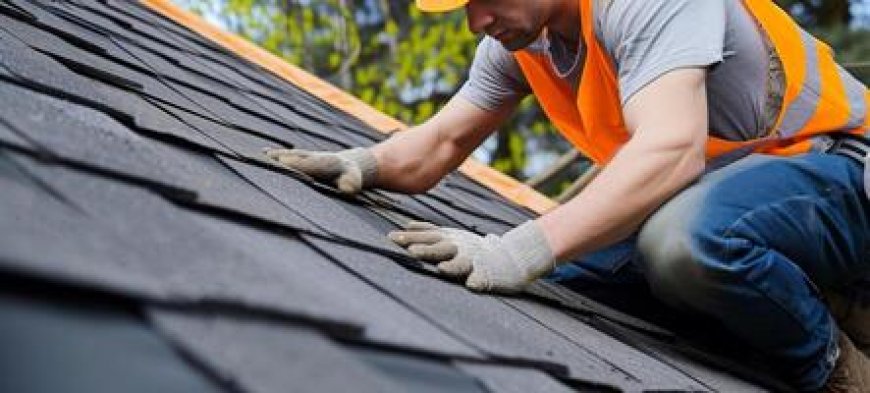
Maintaining the structural integrity of your commercial building is essential for safety, appearance, and long-term cost savings. One of the most critical components of any structure is the roofing and siding system, which protects your property from the elements, insulates your interior, and enhances overall curb appeal. Whether you're facing weather damage, aging materials, or general wear and tear, timely roof and siding repair is essential to avoid costly issues down the road.
In commercial settings, roofing systems are often larger, more complex, and more exposed to harsh environmental conditions than residential roofs. When problems arise, it's vital to act quickly and repair commercial roof structures using skilled professionals and industry-grade materials. Lets explore the importance of roof and siding maintenance and the best practices to keep your commercial property in top condition.
Why Roof and Siding Matter
The roof and siding of a building are its first line of defense. They shield against rain, wind, sun, and snow, all of which can cause significant damage if not properly managed. Over time, roofing materials can crack, blister, or shrink, while siding may become loose, warped, or faded. Ignoring these signs can lead to water intrusion, mold growth, insulation failure, and even structural damage.
A commercial building with compromised roofing or siding doesnt just suffer physicallyit can also impact business operations. Leaks or interior damage may disrupt workspaces, ruin equipment, or create safety hazards for employees and clients. Investing in routine roof and siding repair is not only about fixing current issuesits about preventing future ones.
Signs You Need to Repair a Commercial Roof
Understanding the signs that indicate it's time to repair a commercial roof can help you act before things get worse. Some of the most common red flags include:
-
Water Leaks: Stains on ceilings or walls often indicate water penetration.
-
Ponding Water: Flat commercial roofs may accumulate standing water due to poor drainage.
-
Blistering or Bubbling: These are signs of trapped moisture under the membrane.
-
Cracked Flashing: Flashing seals the edges and penetrations of the roof; damaged flashing allows water entry.
-
High Energy Bills: A failing roof compromises insulation and leads to energy loss.
When you notice any of these symptoms, dont delay. Immediate action to repair a commercial roof can save you thousands in long-term restoration costs.
Common Roof and Siding Repair Techniques
Whether youre dealing with metal panels, asphalt shingles, modified bitumen, or vinyl siding, the right repair approach depends on the material and extent of damage. Here are some of the most common repair techniques used by professionals:
Roof Repairs:
-
Patch and Seal: Effective for small cracks or punctures in the roofing membrane.
-
Re-coating: Applying a protective coating to restore waterproofing and reflectivity.
-
Flashing Replacement: Replacing corroded or detached flashing around vents and chimneys.
-
Partial Re-roofing: Ideal for addressing damage in localized areas without full replacement.
Siding Repairs:
-
Panel Replacement: Swapping damaged panels with matching materials.
-
Repainting or Sealing: Protecting wood or fiber cement siding from moisture.
-
Caulking and Insulation: Sealing gaps and restoring thermal protection.
-
Reattachment: Refastening loose siding panels to prevent wind damage.
By using durable materials and modern techniques, these repair methods can extend the life of your buildings exterior and maintain its structural performance.
Choosing the Right Contractor
Finding the right contractor is critical to the success of any roof or siding repair project. Look for companies that specialize in repair commercial roof services and have experience with the specific type of roof on your property. Commercial roofing requires different expertise than residential roofing due to its size, flat structure, and unique drainage systems.
Heres what to look for:
-
Licensed and Insured: Ensure they meet all regulatory standards.
-
Commercial Experience: Choose a contractor with proven commercial project success.
-
Comprehensive Services: From inspection to repair and maintenance.
-
Warranties Offered: Guarantees on workmanship and materials.
-
Customer Reviews: A strong reputation in your area is a good indicator of quality.
Preventive Maintenance Saves Money
Prevention is better than cureespecially when it comes to commercial property. Routine inspections and proactive maintenance can catch minor issues before they become major repairs. A roof maintenance plan includes seasonal inspections, gutter cleaning, sealant checks, and small touch-ups that keep your system intact.
Likewise, maintaining your siding by cleaning, repainting, and sealing regularly can prevent damage caused by mold, insects, and weather exposure.
By making roof and siding care a priority, youll avoid emergency costs, extend the lifespan of your materials, and ensure the safety and comfort of everyone inside the building.
Conclusion
Your commercial building is a valuable asset, and protecting it starts with maintaining its roof and siding. When signs of wear appear, timely roof and siding repair can make the difference between a manageable fix and a costly disaster. Whether its time to repair a commercial roof after a storm or perform routine siding maintenance, professional services ensure quality, safety, and longevity.
Dont wait until the damage spreadspartner with experienced contractors who understand the unique needs of commercial properties. With the right approach, your roof and siding will continue to perform efficiently and look great for years to come.