













Does Isotretinoin Affect Female Hormones?
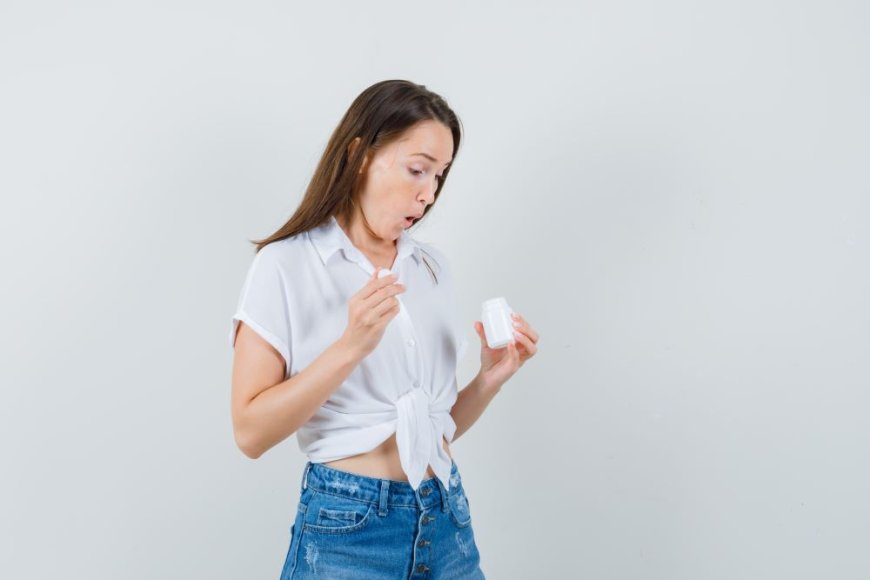
Isotretinoin , widely known under brand names like Accutane, is a powerful oral medication used to treat severe, stubborn, or cystic acne.
Introduction
Isotretinoin 20mg, widely known under brand names like Accutane, is a powerful oral medication used to treat severe, stubborn, or cystic acne. It has transformed the lives of many acne sufferers, especially those who haven't found relief from topical treatments or antibiotics.
But for women, isotretinoin raises an important question:
Does isotretinoin affect female hormones?
Since hormones play a critical role in womens healthincluding skin health, menstrual cycles, and fertilityits essential to understand how isotretinoin interacts with the hormonal system. In this article, well explore the connection between isotretinoin and female hormones, including its effects on menstruation, hormone levels, fertility, and what women should know before starting treatment.
What Is Isotretinoin?
Isotretinoin is a retinoid derived from vitamin A. It works by:
-
Shrinking oil glands (sebaceous glands)
-
Reducing oil production
-
Unclogging pores
-
Preventing acne-causing bacteria
-
Decreasing inflammation
Because of its strong impact on the skin and oil glands, it is typically prescribed for severe acne, especially when other medications have failed. While effective, its also known for potential side effectssome of which may be hormone-related, especially in women.
Does Isotretinoin Directly Affect Hormones?
Isotretinoin does not directly alter estrogen, progesterone, or testosterone levels in a typical way like birth control pills or hormone therapy. It is not classified as a hormonal medication, and its main action is on the skin and oil glandsnot the endocrine (hormone) system.
However, indirect effects on hormones and hormone-related functionssuch as menstrual cycles or reproductive healthhave been reported in some women, though they are not universally experienced.
Isotretinoin and the Menstrual Cycle
Some women report changes in their menstrual cycle while taking isotretinoin. These changes can include:
-
Irregular periods
-
Skipped periods (amenorrhea)
-
Heavier or lighter bleeding
-
Spotting between cycles
These effects are usually temporary and reverse after stopping the medication. The mechanism is not fully understood, but stress, weight changes, and the use of concurrent medications (especially birth control pills) can all influence this.
Isotretinoin and Polycystic Ovary Syndrome (PCOS)
Women with PCOS, a condition involving hormonal imbalance (often with high testosterone), frequently suffer from acne. Some studies suggest that isotretinoin may have modest effects on reducing testosterone levels in women with PCOS, which may contribute to acne improvement.
However, isotretinoin is not a treatment for PCOS and should not be used to manage hormonal disorders unless prescribed alongside other therapies.
Does Isotretinoin Affect Fertility?
This is one of the most important concerns for women.
? Fertility While Taking Isotretinoin:
-
Isotretinoin does not lower fertility in women.
-
It does not impact ovulation or long-term reproductive ability.
-
Women can still become pregnant while on isotretinoin, which is why strict birth control guidelines are required.
?? Why Pregnancy Must Be Avoided:
-
Isotretinoin is highly teratogenic, meaning it can cause severe birth defects if taken during pregnancy.
-
Defects may include heart, brain, and facial abnormalities, or miscarriage.
-
Because of this, women must use two forms of contraception during treatment and for at least 1 month after stopping.
Many countries have special programs like the iPLEDGE system (U.S.), which monitor safe usage in women of childbearing age.
Isotretinoin and Birth Control Pills
Because of the teratogenic risks, many women take birth control pills during isotretinoin treatment. This can make it harder to determine if side effects like mood swings or period changes are from the pill, the medication, or both.
Some women may experience:
-
Hormonal shifts due to their contraceptive method
-
Skin improvements from both the pill and isotretinoin
-
Irregular periods due to interactions between the two
Its important to keep track of symptoms and discuss any menstrual changes with your healthcare provider.
Can Isotretinoin Cause Hormonal Acne Flare-Ups?
In the initial weeks of isotretinoin treatment, acne often gets worse before it gets betterknown as the purging phase. This is not due to hormonal imbalance but rather the skin adjusting to the medication.
However, some women mistake this flare-up for hormonal acne, especially if it occurs around the chin or jawline. In most cases, this reaction settles after 48 weeks, and significant improvement is seen by 34 months into treatment.
Mood, Hormones, and Isotretinoin
Some women report mood changes, such as depression, anxiety, or irritability, while on isotretinoin. While not strictly hormone-related, these symptoms can feel like PMS or hormonal mood swings.
Research is mixed on whether isotretinoin directly causes depression, but emotional side effectsespecially in people with a history of mental health issuesshould be monitored.
If you experience mood changes, it's important to:
-
Talk to your doctor immediately
-
Consider mental health support
-
Weigh the pros and cons of continuing treatment
After Isotretinoin: Hormone Balance and Periods
Once isotretinoin is stopped:
-
Most women return to their normal menstrual cycles within a few weeks to months.
-
There is no long-term hormonal disruption in most healthy women.
-
Women trying to conceive should wait at least 1 month after stopping isotretinoin.
If hormone-related symptoms (irregular periods, acne, hair thinning) persist long after treatment, it may indicate an underlying hormonal imbalance that needs evaluation.
Precautions and Tips for Women on Isotretinoin
? Before Starting:
-
Get a full hormonal panel if you have a history of PCOS or menstrual irregularity.
-
Discuss mental health history with your doctor.
-
Choose a reliable form of contraception.
? During Treatment:
-
Monitor menstrual changes and mood.
-
Stay consistent with birth control.
-
Avoid taking vitamin A supplements (can increase side effects).
-
Attend regular follow-up visits and blood tests.
? After Treatment:
-
Wait at least 1 month before conceiving.
-
Track your menstrual cycle to ensure it returns to normal.
-
Continue a gentle skincare routine to maintain results.
Isotretinoin does not directly alter female hormone levels, but it can cause temporary changes in menstrual cycles, mood, and overall balanceespecially when combined with birth control pills. These changes are generally mild, reversible, and manageable, particularly with medical supervision.
Most women complete their isotretinoin treatment with no long-term hormonal effects, and many enjoy clear skin for years. However, due to its teratogenic risks, it's crucial to use effective contraception and follow all safety guidelines.
If you're considering isotretinoin and are concerned about hormones, periods, or fertility, speak openly with your dermatologist or gynecologist. With the right precautions, clear skin and hormonal balance can go hand-in-hand.