
















Exploring the Spiritual Charm of Jageshwar Dham: A Sacred Abode in Uttarakhand
Jageshwar Dham

Nestled amidst the dense deodar forests and tranquil hills of Almora district in Uttarakhand lies Jageshwar Dham, a revered pilgrimage destination known for its ancient cluster of Shiva temples. Surrounded by the serenity of nature and the mysticism of devotion, this spiritual retreat has long attracted sages, devotees, and history lovers alike. The Dham is not just a religious siteits a gateway to the rich cultural and spiritual heritage of the Kumaon region.
Historical Significance of Jageshwar Dham
Jageshwar Dham is considered one of the twelve Jyotirlingas, though this belief is debated. What is certain, however, is its deep historical roots. The temple complex dates back to between the 7th and 12th centuries and showcases intricate Nagara-style architecture. The region is believed to have been a meditation spot for Adi Shankaracharya, and some temples here are attributed to his influence during the revival of Hinduism across India.
Comprising over 100 stone temples dedicated mostly to Lord Shiva, the site represents various forms of the deity such as Mahamrityunjaya, Jageshwar Mahadev, Kedarnath, and many others. The most notable among them is the Jageshwar Mahadev Temple, which is considered the spiritual core of the entire complex.
Architectural Beauty and Temple Layout
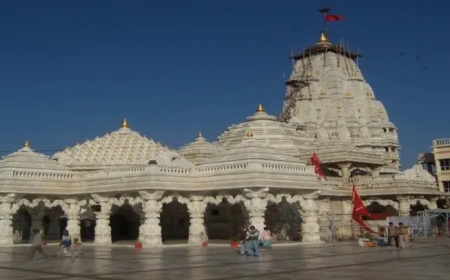
One of the most remarkable features of Jageshwar Dham is its exquisite stone architecture. The temples are crafted from dark schist stone and are adorned with finely detailed sculptures of deities, celestial beings, and mythological symbols. The tall shikhara (tower) and sanctum sanctorum are typical of the North Indian temple architecture prevalent during the Katyuri and Chand dynasties.
The temple premises are well-maintained and have a meditative aura enhanced by the surrounding pine and deodar forests. Flowing beside the temple complex is the Jata Ganga stream, which is believed to purify the soul of every devotee who bathes in it before entering the temples.
Religious Importance and Festivals
Jageshwar Dham holds immense religious significance for Shaivites. Devotees from all over India visit this sacred spot, especially during the Shravan month (JulyAugust) and the Maha Shivratri festival. Special rituals, prayers, and cultural events are conducted, creating a vibrant yet spiritual atmosphere.
The temple priests still follow ancient Vedic rituals, and visitors can witness traditional puja ceremonies. The calm and positive energy at Jageshwar is known to have a soothing effect on the mind and body, making it a perfect destination for spiritual rejuvenation.
Reaching Jageshwar Dham
Located about 37 km from Almora, Jageshwar Dham is easily accessible by road. The nearest major town is Almora, and the closest railway station is Kathgodam (about 125 km away). From there, taxis and buses can take you through picturesque valleys and hills to reach the temple site.
For travelers, the best time to visit is between March and June or from September to November, when the weather is pleasant, and the surroundings are lush and green.
Nearby Attractions
Besides exploring Jageshwar Dham, visitors can also explore nearby attractions such as:
-
Vriddha Jageshwar: An older temple located on a hilltop, believed to be the original site of Lord Jageshwar.
-
Dandeshwar Temple: Located slightly before the main complex, known for its unique and massive shikhara.
-
Kasar Devi Temple: Popular among spiritual seekers and known for its place on the Earths Van Allen Belt.
Conclusion
A visit to Jageshwar Dham is not just a pilgrimageit is an immersive experience that blends spirituality, history, nature, and architecture. Whether you're a devout Shiva follower or someone in search of peace and history, this sacred destination offers something profound for every visitor. With its timeless allure and divine aura, Jageshwar stands as a testimony to India's ancient spiritual traditions and architectural brilliance.