

















Cost vs. Quality: Is the Best Root Canal Treatment Worth the Investment?
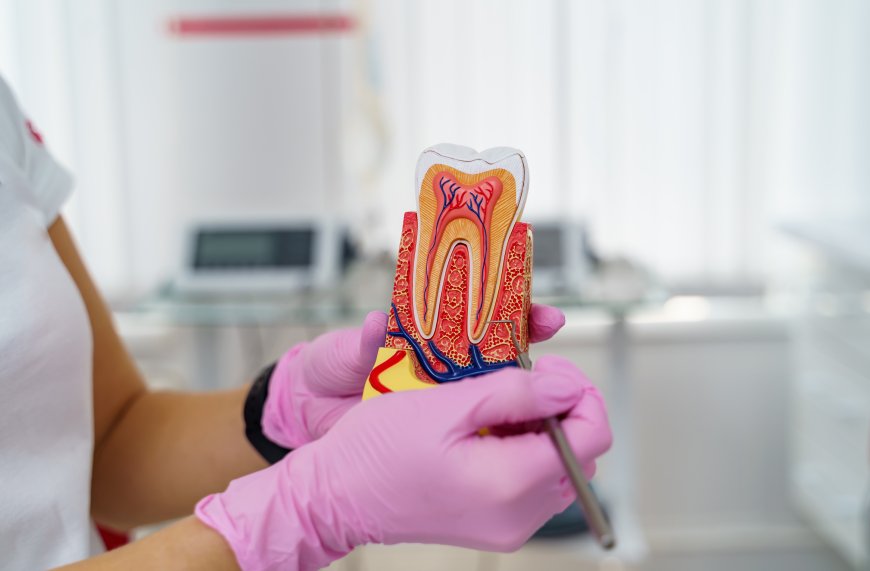
When it comes to dental care, root canals are one of the most dreaded and often misunderstood procedures. The thought of needing a root canal can be intimidating, and patients are often caught in the dilemma between choosing a lower-cost option or investing in what they believe is the best root canal treatment. While cost plays a critical role in decision-making, its essential to consider the long-term benefits of quality dental care.
Root canals are not just about removing pain theyre about preserving your natural teeth and maintaining oral health for years to come. Investing in the best root canal treatment might seem expensive upfront, but it often results in fewer complications, better recovery, and a longer-lasting solution.
Understanding Root Canal Treatment
What Is a Root Canal?
A root canal is a dental procedure used to treat infection at the center of a tooth (the pulp). The pulp can become infected due to decay, trauma, or cracks in the tooth. If left untreated, this infection can lead to severe pain, abscess formation, and even tooth loss. The procedure involves removing the infected pulp, cleaning and disinfecting the inside of the tooth, and then filling and sealing it.
Why Root Canals Are Necessary
The primary goal of a root canal is to save the tooth. Unlike extraction, which removes the tooth entirely, a root canal allows patients to keep their natural tooth. This has several benefits, including preserving jawbone integrity, maintaining natural appearance, and avoiding misalignment caused by missing teeth.
The Cost Factor
Typical Cost Ranges
The cost of a root canal can vary widely based on several factors:
-
Location of the tooth (front teeth are usually less expensive than molars)
-
Geographic location of the dental office
-
Dentists experience and reputation
-
Use of advanced technology
-
Type of materials used
On average, a root canal can cost between $300 and $2,500. If a crown is also needed, which is often the case, this can add an additional $500 to $3,000 to the total bill.
Insurance and Affordability
Many dental insurance plans cover a portion of root canal treatment, but coverage can vary. Some patients may have to pay the majority out-of-pocket, which can make cheaper alternatives seem attractive. However, focusing solely on cost can lead to subpar outcomes.
The Quality Perspective
What Defines a Quality Root Canal?
A high-quality root canal treatment is defined by several key factors:
-
Thorough diagnosis and planning
-
Use of digital X-rays and microscopes
-
High-precision tools and techniques
-
Experienced and specialized dental professionals
-
Strict sterilization protocols
-
Durable and biocompatible materials
Risks of Low-Cost Treatments
Opting for the cheapest option might save money in the short term, but it can come with significant risks:
-
Incomplete cleaning of the canals, leading to reinfection
-
Poor sealing, allowing bacteria to re-enter
-
Use of outdated technology or techniques
-
Increased need for retreatment or extraction
-
Possible long-term complications such as bone loss
Comparing Cost vs. Quality
Upfront Costs vs. Long-Term Value
When you choose the best root canal treatment, you're investing in long-term dental health. A properly done root canal can last decades, especially when paired with a good crown and proper oral hygiene. Cheaper treatments might result in future dental visits, added procedures, and increased costs over time.
Retreatment Costs
If a root canal fails due to poor quality, the retreatment cost is often higher than the initial procedure. Add in the pain, inconvenience, and potential tooth loss, and the value of quality becomes clear.
Patient Experience
Beyond clinical results, quality treatment also affects the overall patient experience. Skilled professionals and modern techniques often result in less pain, faster recovery, and higher satisfaction. This can significantly reduce dental anxiety and encourage better oral care habits in the future.
Who Should Perform Your Root Canal?
General Dentist vs. Endodontist
General dentists can perform root canals, but endodontists are specialists who undergo additional training. While visiting an endodontist might be more expensive, the quality of care is often higher due to their expertise and access to advanced tools.
Questions to Ask Your Provider
Before committing to treatment, ask the following questions:
-
How many root canals have you performed?
-
What technology do you use during the procedure?
-
What is your success rate?
-
Will a crown be needed afterward?
-
What follow-up care is included?
These questions can help ensure you're receiving the best root canal treatment for your needs and budget.
Quality Indicators to Look For
Use of Modern Technology
Clinics that invest in digital imaging, cone-beam CT scans, and microscopes tend to offer better diagnostic accuracy and precision. These tools enable dentists to identify root canal complexities that could be missed otherwise.
Sterilization and Safety Protocols
High-quality dental practices follow strict sterilization procedures to prevent cross-contamination. Ask about the sterilization methods used to ensure your health is prioritized.
Patient Reviews and Testimonials
Online reviews and patient feedback are excellent indicators of a clinics commitment to quality. Look for recurring themes such as painless procedures, clean environments, and skilled professionals.
The Psychological Impact
Peace of Mind
Knowing you've invested in a high-quality procedure offers peace of mind. Youre less likely to experience complications, and youll have greater confidence in the outcome.
Reduced Anxiety
Quality care often includes better communication, sedation options, and aftercare supportall of which contribute to reduced anxiety and a more positive experience.
Alternatives to Root Canals
Extraction and Implants
If a root canal isnt feasible or fails, extraction might be necessary. However, replacing a lost tooth with an implant can cost more than a quality root canal. Moreover, implants take longer to heal and involve surgical risks.
Bridges and Dentures
These are less expensive options but may not offer the same functionality or comfort. They also dont prevent jawbone deterioration as effectively as a saved natural tooth.
Final Thought
When faced with the need for a root canal, its natural to consider cost. However, its important not to let cost alone dictate your decision. A cheap root canal might save you money today but cost you significantly more in the future both financially and in terms of health and comfort.
Choosing the best root canal treatment isnt about luxuryits about making a wise, informed investment in your health. Its about trusting experienced hands, advanced technology, and proper aftercare to ensure your smile stays strong and healthy for years to come.