
















Cloud Modernization: The Strategic Imperative for Digital-First Enterprises in 2025

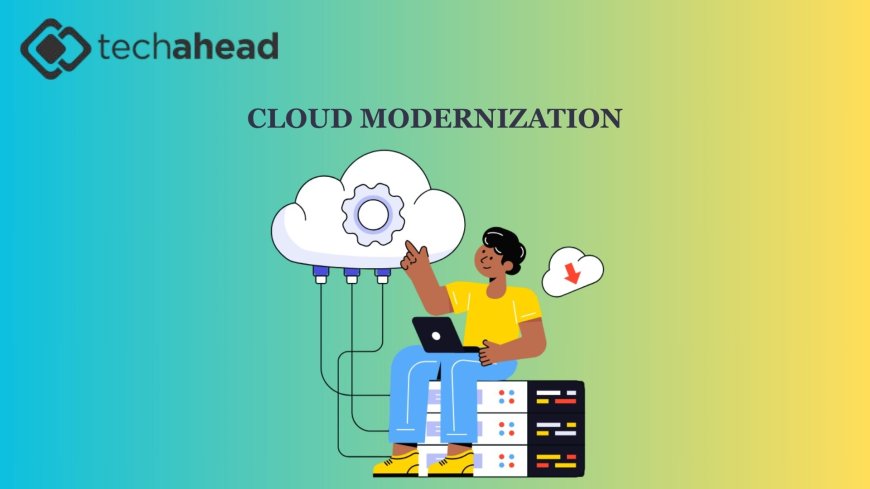
The digital economy in 2025 is a landscape defined by relentless change, fierce competition, and the constant emergence of new business models. Enterprises that once relied on legacy IT systems are now under immense pressure to transform or risk obsolescence. At the heart of this transformation is cloud modernizationa strategic imperative for any organization seeking to thrive in a digital-first world. But what does true modernization look like, and how are Managed Cloud Services enabling this shift? This blog explores the latest trends, strategies, and real-world impact of cloud modernization, offering a roadmap for enterprises determined to lead rather than follow.
The Evolution of Cloud Modernization
Cloud modernization is not simply about moving workloads to the cloud. Its a holistic reimagining of IT architectures, processes, and even business models to fully leverage the power of cloud-native technologies. This means breaking free from monolithic, on-premises applications and embracing microservices, containers, serverless computing, and automation at every level.
Managed Cloud Services are central to this journey. By providing end-to-end management, monitoring, and optimization, these services allow internal teams to focus on innovation and business growth rather than infrastructure headaches. The result is a more agile, resilient, and cost-effective IT environment that can adapt to market changes in real time.
Key Drivers of Cloud Modernization in 2025
1. Business Agility and Innovation
Speed is the new currency of business. Organizations must be able to launch new products, respond to customer needs, and pivot strategies faster than ever before. Cloud modernization enables rapid prototyping, continuous integration, and seamless scalingcapabilities that are essential for staying ahead of the competition. With Managed Cloud Services, these capabilities are always available, secure, and optimized, ensuring that innovation is never held back by technical limitations.
2. Cost Optimization and Efficiency
Legacy systems are notorious for their high maintenance costs and inflexibility. By modernizing to cloud-native platforms, enterprises can reduce technical debt, optimize resource usage, and shift from capital-intensive (CapEx) to operational (OpEx) spending models. Managed Cloud Services bring the expertise and automation needed to maximize these savings, from rightsizing resources to automating routine maintenance and scaling.
3. Security and Compliance
As cyber threats grow more sophisticated, security must be embedded into every layer of the IT stack. Cloud modernization allows organizations to leverage advanced security tools for threat detection, identity management, and compliance automation. Managed Cloud Services provide continuous monitoring, rapid incident response, and automated compliance reporting, reducing risk and ensuring regulatory alignment even as requirements evolve.
The Role of Managed Cloud Services in Modernization
Managed Cloud Services are not just about outsourcing IT operationsthey are about enabling transformation. The best providers offer a comprehensive suite of services, including:
- Cloud strategy and assessment
- Application refactoring and migration
- Ongoing monitoring, optimization, and support
- Security and compliance management
- Cost governance and reporting
By partnering with a Managed Cloud Services provider, organizations gain access to specialized expertise, proven frameworks, and the latest automation tools. This partnership accelerates the modernization journey and ensures that cloud investments deliver measurable business value.
Real-World Impact: Success Stories
Retail: Accelerating Digital Commerce
A global retailer faced mounting pressure to deliver new digital experiences and handle unpredictable traffic spikes. By partnering with a Managed Cloud Services provider, the company refactored its legacy e-commerce platform into a set of microservices, automated its deployment pipelines, and implemented real-time monitoring. The results were dramatic: time-to-market for new features dropped by 60%, site reliability improved during peak shopping seasons, and operational costs fell significantly.
Healthcare: Enabling Secure, Data-Driven Care
A healthcare provider needed to integrate patient data from multiple sources while maintaining strict compliance with regulations like HIPAA. Through cloud modernization, the organization built a secure, cloud-native data platform that enabled real-time analytics and accelerated research. Managed Cloud Services ensured 24/7 system availability, automated compliance checks, and rapid response to security incidents, allowing clinicians to focus on patient outcomes rather than IT concerns.
Building a Cloud Modernization Roadmap
Successful cloud modernization requires a clear, phased strategy. Heres how leading organizations approach the journey:
- Assessment and Planning: Evaluate current IT assets, identify modernization opportunities, and define business goals.
- Application Modernization: Refactor or re-platform legacy applications to leverage cloud-native services.
- Automation and DevOps: Implement CI/CD pipelines, infrastructure as code, and automated testing to accelerate delivery.
- Security and Compliance: Embed security controls and automate compliance monitoring from day one.
- Continuous Optimization: Use analytics and Managed Cloud Services to monitor performance, control costs, and drive ongoing improvements.
Choosing the Right Cloud Modernization Partner
The choice of partner can make or break a modernization initiative. Look for Managed Cloud Services providers with:
- Deep expertise in your industry
- A proven track record of successful modernization projects
- Robust security frameworks and compliance capabilities
- Transparent performance metrics and SLAs
- A commitment to continuous innovation and improvement
The best partners act as an extension of your team, providing strategic guidance, technical expertise, and proactive support throughout the modernization journey.
The Future of Cloud Modernization
As we look ahead, cloud modernization will only become more critical. Emerging technologies like AI, machine learning, and edge computing are raising the bar for whats possible in the cloud. Organizations that embrace modernization will be able to harness these innovations, respond to market shifts, and create new sources of value faster than their competitors.
Managed Cloud Services will continue to evolve, offering even greater automation, intelligence, and integration across hybrid and multi-cloud environments. The future belongs to enterprises that see modernization not as a one-time project, but as a continuous journey of reinvention.
Conclusion
Cloud modernization is the foundation of digital transformation in 2025. With the right strategy and the support of expert Managed Cloud Services, organizations can unlock new levels of agility, efficiency, and innovation. The enterprises that embrace modernization today will be the leaders of tomorrowshaping industries, delighting customers, and setting the pace for the digital economy. The question is no longer whether to modernize, but how fast you can get there.