

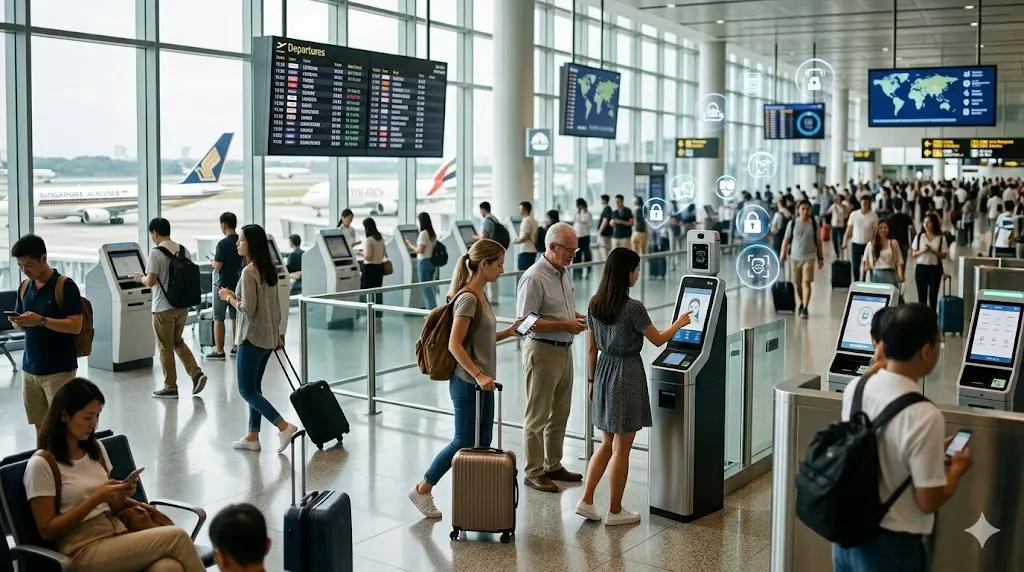
Data privacy is no longer a background concern in travel—it’s actively reshaping how the entire tourism industry operates. When people book flights, check into hotels, or use travel apps, they leave behind a constant stream of personal data, and companies are now under pressure to handle it responsibly.
Why data privacy is reshaping the global tourism industry comes down to trust, regulation, and customer expectations. Travelers are more aware than ever that their information is being tracked, shared, and stored. And honestly, in my experience, once people feel even slightly unsure about how their data is used, they start pulling back from digital services altogether.
Data privacy is reshaping tourism because travelers now demand control over their personal information, governments are enforcing stricter rules, and travel companies depend heavily on data for personalization. This shift is forcing the industry to rethink booking systems, marketing strategies, and customer engagement in a more transparent way.
What Is Data Privacy in Tourism and Why Does It Matter?
Definition Box:
Data privacy in tourism is the protection and ethical handling of travelers’ personal information collected during booking, transportation, accommodation, and digital interactions.
In tourism, data privacy isn’t just about passwords or payment details. It includes travel history, location tracking, preferences, behavioral patterns, and even device information. Every time you search for a hotel or use a boarding pass app, data gets collected in the background.
Here’s the thing: tourism businesses rely heavily on this data to personalize experiences. But the same data creates risk if mishandled. A leaked travel itinerary or exposed passport details can do real damage, not just inconvenience.
What most people overlook is how interconnected the system is. Airlines share data with airports, hotels with booking platforms, and apps with advertising networks. One weak link can affect the entire journey.
From what I’ve seen, travelers don’t mind sharing data when they feel it improves their experience. The problem starts when that exchange feels one-sided.
Expert tip: Transparency isn’t just a legal requirement—it’s becoming a marketing advantage. Companies that clearly explain how they use data often build stronger long-term loyalty.
Why Data Privacy Matters in Tourism in 2026
In 2026, tourism runs on data more than ever. AI-based recommendations, dynamic pricing, and automated check-ins all depend on personal information.
But regulations have tightened across regions, and travelers have grown more cautious. That combination is forcing a major shift.
Let me be direct: tourism companies that ignore privacy expectations are already losing bookings. Not always dramatically, but slowly—through lower engagement, abandoned carts, and reduced app usage.
Another factor is reputation. A single privacy incident can spread quickly through reviews and social platforms, and travelers remember it longer than a discount campaign.
What’s also interesting is the emotional side. People are starting to associate privacy with respect. If a brand respects their data, they assume it respects them as customers too.
Expert tip: The most successful tourism platforms now treat privacy settings as part of the user experience, not legal fine print.
How to Adapt to Data Privacy Changes in Tourism — Step by Step
If you run a travel business or work in tourism marketing, adapting to privacy changes isn’t optional anymore. Here’s a practical breakdown of how to move forward.
1. Map out every data touchpoint
Start by identifying where customer data enters your system. Booking forms, mobile apps, chat support, loyalty programs—everything counts.
2. Reduce unnecessary data collection
Ask yourself a simple question: do we actually need this information, or are we collecting it just because we can?
3. Strengthen consent systems
Travelers should know exactly what they’re agreeing to. No vague checkboxes or hidden permissions.
4. Secure third-party integrations
Most tourism companies depend on external tools. That’s fine, but each integration increases risk if not monitored properly.
5. Build a response plan for breaches
No system is perfect. What matters is how quickly and clearly you respond if something goes wrong.
6. Communicate privacy in human language
Skip the legal-heavy explanations. Travelers respond better to simple, honest messaging.
Expert tip: One mistake I see often is companies treating privacy as a one-time setup. It’s actually an ongoing process that evolves with customer behavior and technology shifts.
Why Over-Personalization Can Backfire (Common Misconception)
Here’s a counterintuitive point: more personalization doesn’t always mean better customer experience.
At first, it seems obvious that travelers would love tailored recommendations. But in reality, overly accurate suggestions can feel invasive. For example, when a travel app recommends hotels based on extremely specific past searches, users sometimes feel “watched.”
In my experience, there’s a fine line between helpful and uncomfortable. The industry is still learning where that line sits.
Expert Tips / What Actually Works in Real Tourism Businesses
What actually works isn’t always the most advanced technology—it’s often the simplest approach done consistently.
First, businesses that openly explain their data usage tend to perform better in trust-based markets like luxury travel and international tours.
Second, reducing friction matters. If privacy settings are buried too deep, users assume something is being hidden.
Third, consistent messaging across platforms is key. A mismatch between app behavior and website communication can confuse travelers quickly.
Expert tip: Some of the strongest-performing travel brands I’ve observed actually use fewer data points than competitors—but compensate with better service quality. Less data, more trust.
Another thing people overlook is internal training. Staff handling bookings or customer service need to understand privacy basics too, not just the IT team.
Real-World Scenarios Showing the Impact of Data Privacy
Let’s look at a couple of realistic situations.
A mid-sized travel booking company introduced aggressive personalization features, tracking user clicks across multiple devices. Initially, engagement rose. But within months, users started disabling cookies and switching to competitors that offered simpler browsing experiences.
On the other hand, a boutique tour operator adopted a “minimal data promise.” They only collected what was necessary for bookings and clearly explained it during checkout. Surprisingly, their conversion rates improved because customers felt safer completing payments.
What this shows is simple: trust can directly influence revenue in tourism.
People Most Asked About Data Privacy in Tourism
Why is data privacy important in tourism?
Data privacy is important because travelers share sensitive information like passport details, payment data, and travel history. If this data is mishandled, it can lead to identity theft, financial loss, or loss of trust in travel services.
How does data privacy affect travel companies?
It forces companies to redesign booking systems, reduce unnecessary tracking, and improve transparency. While this can increase operational effort, it also builds stronger long-term customer trust.
What happens if tourism companies ignore privacy rules?
They risk penalties, loss of reputation, and declining customer engagement. Even small privacy issues can lead to negative reviews and reduced bookings.
Is personalization still possible with strict privacy rules?
Yes, but it requires smarter data use. Companies now rely more on aggregated or anonymized data instead of detailed personal tracking.
Do travelers care about data privacy when booking trips?
Yes, more than before. Many travelers actively check privacy policies or prefer platforms that clearly explain how their data is used.
Promotional Paragraph
Our network site provides related offering Guest Posting Services and Press Release News Submission, seo and local business listing in uk to help businesses gain high authority backlinks and improve SEO ranking through trusted digital marketing services and PR distribution services. By using platforms like Press Release News Submission and digital marketing services, brands can boost brand visibility, earn media coverage, and drive organic traffic through instant publishing and professional news distribution channels designed for maximum online impact.